
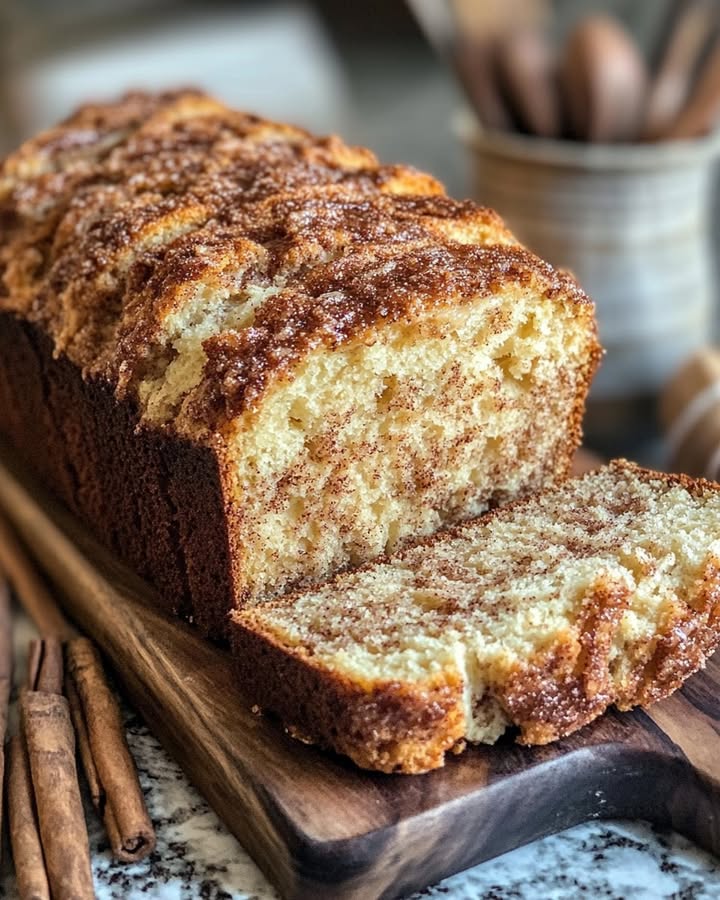
Le Pain Cannelle Amish : Une Douceur Réconfortante Qui Embaume la Maison
Il y a quelque chose de magique dans l’odeur de la cannelle qui se répand dans la cuisine. C’est une invitation à la douceur, à la pause, au partage. Chaque fois que je prépare ce Pain Cannelle Amish, ma famille se rassemble comme par enchantement, attirée par ce parfum irrésistible. C’est bien plus qu’un simple pain ; c’est un câlin en tranches, un peu gran-mère, beaucoup réconfortant. Et je vais vous donner ma recette préférée, celle qui a fait ses preuves lors d’innombrables goûters et petits-déjeuners en famille.
Les Racines Simples du Pain à la Cannelle Amish
La tradition culinaire Amish, née aux États-Unis, célèbre la simplicité, la frugalité et les produits de la ferme. Le pain Amish à la cannelle s’inscrit parfaitement dans cette philosophie. À l’origine, il s’agissait souvent d’un pain de “fermentation amicale” ou “friendship bread”, où un morceau de levain était partagé entre voisins, accompagné de la recette. Chacun le faisait grandir avant d’en redonner une partie. La version moderne, comme celle que je vous propose, utilise du bicarbonate pour plus de simplicité, mais garde toute son âme généreuse et ses généreuses couches de cannelle et de sucre.
Pourquoi Vous Allez Adorer Ce Pain à la Cannelle
Ce pain est un véritable coup de cœur pour trois raisons. Premièrement, sa texture : moelleuse et tendre à l’intérieur, avec une croûte légèrement croustillante parsemée de sucre cannelle caramélisé. Deuxièmement, sa facilité : pas besoin de robot sophistiqué, un bon saladier et un fouet suffisent. Enfin, son parfum ! Il embaume la maison d’une chaleur incomparable. C’est la garantie de faire plaisir à tous, des plus petits aux plus grands, sans effort démesuré.
Quand Servir ce Délicieux Pain Amish ?
Ce pain est incroyablement polyvalent ! Il est parfait :
- Pour un petit-déjeuner ou un brunch dominical, simplement tartiné de beurre.
- Comme goûter maison réconfortant après l’école.
- À offrir en cadeau gourmand et fait-main, dans un joli papier.
- Pour accompagner un café ou un thé lors d’une visite entre amis.
- Comme dessert léger, servi avec une boule de glace vanille.
Ingrédients pour un Pain Cannelle Réussi
Pour deux magnifiques pains, rassemblez :
- 225 g de beurre doux, bien ramolli à température ambiante
- 400 g de sucre en poudre
- 2 gros œufs
- 480 ml de babeurre (lait ribot)
- 500 g de farine de blé type T55
- 10 g de bicarbonate de soude
- 1 cuillère à soupe de cannelle moulue
- 130 g de sucre pour le mélange cannelle-sucre
Astuces de Substitution
Pas de babeurre ? Pas de panique. Versez 1 cuillère à soupe de vinaigre blanc ou de jus de citron dans une mesure à lait. Complétez avec du lait entier jusqu’à obtenir 480 ml. Laissez reposer 5 minutes : il va cailler légèrement, c’est parfait ! Pour une version sans gluten, utilisez un mélange de farines sans gluten adapté à la pâtisserie. Vous pouvez aussi remplacer une partie du sucre par du sucre de coco ou du muscovado pour une saveur plus profonde.
La Préparation de Votre Pain Cannelle Amish, Étape par Étape
Étape 1 : Préparer le Four et les Moules
Commencez par préchauffer votre four à 175°C (thermostat 5-6). C’est la base pour une cuisson parfaite. Pendant ce temps, beurrez et farinez généreusement deux moules à cake de 23 x 13 cm. Cette étape est cruciale pour que vos pains se démoulent facilement, sans accroc. Je tapisse parfois le fond d’un peu de papier sulfurique pour être sûre. Le parfum de beurre fondu commence déjà à chatouiller les narines.
Étape 2 : Crémer le Beurre et le Sucre
Dans un grand saladier, travaillez le beurre ramolli et les 400g de sucre. Utilisez un fouet manique ou électique à vitesse moyenne. Le but ? Obtenir un mélange blanchâtre, léger et mousseux. C’est ce qui apportera de la tendreté à la mie. Ajoutez les œufs un par un, en battant bien après chaque ajout pour que l’émulsion soit parfaite. La pâte devient lisse et brillante.
Pro tip : Assurez-vous que votre beurre est vraiment mou, pas fondu. Vous devez pouvoir y laisser une empreinte facilement avec le doigt.
Étape 3 : Incorporer les Ingrédients Secs et le Babeurre
Dans un autre bol, mélangez simplement la farine et le bicarbonate. Maintenant, alternez les ajouts à la mixture beurre-sucre-œufs : commencez par un tiers du mélange sec, puis la moitié du babeurre, à nouveau un tiers de sec, le reste de babeurre, et terminez par le sec. Mélangez juste jusqu’à ce que la farine soit incorporée. Une pâte trop travaillée deviendrait caoutchouteuse. La pâte est onctueuse, épaisse et sent bon le beurre frais.
Étape 4 : Préparer le Fameux Mélange Cannelle-Sucre
Dans une petite coupelle, mariez intimement la cannelle moulue avec les 130g de sucre restants. Remuez avec une petite cuillère jusqu’à obtenir un sucre uniformément doré et parfumé. C’est cette couche magique qui va créer de délicieuses marbrures et une croûte sucrée craquante. Gardez-la à portée de main pour l’étape suivante.
Étape 5 : Superposer les Couches Gourmandes
Voici le secret du cœur fondant ! Versez un quart de la pâte au fond de chaque moule. Saupoudrez ensuite généreusement avec un quart du mélange cannelle-sucre. Répétez l’opération : une couche de pâte, une couche de sucre cannelle. Vous obtenez ainsi deux couches de garniture sucrée à l’intérieur de chaque pain. La vue de ces strates promet déjà une explosion de saveurs.
Étape 6 : Marbrer et Cuire
Prenez un couteau pointu ou une fine baguette. Plongez-la dans la pâte et dessinez de larges 8 ou des zigzags pour « swirl » la cannelle dans la pâte. Ne mélangez pas complètement ! Le but est de créer de jolis veinules, pas une pâte uniforme. Enfournez pour 45 à 50 minutes. Vérifiez la cuisson avec la pointe d’un couteau qui doit ressortir propre. La maison se remplit d’un parfum envoûtant.
Étape 7 : Laisser Refroidir (Patience !)
C’est l’étape la plus difficile ! Sortez les pains du four et laissez-les reposer 10 minutes dans leur moule sur une grille. Cela permet à la structure de se stabiliser. Puis, démoulez-les délicatement et laissez-les refroidir complètement sur la grille. Ne les coupez pas tant qu’ils sont chauds, la mie serait trop compacte. Une fois refroidis, coupez de belles tranches épaisses et savourez.
Astuce du Chef : Pour un glaçage simple et sublime, mélangez 100g de sucre glace avec 1 à 2 cuillères à soupe de lait. Versez en filet sur les pains refroidis. Ça ajoute une touche de douceur et de beauté irrésistible !
Temps de Préparation et de Cuisson
La beauté de cette recette, c’est son rapport effort/plaisir. La préparation vous prendra environ 20 minutes de travail actif. La cuisson dure ensuite 45 à 50 minutes. Comptez 1 heure de refroidissement avant de pouvoir le déguster. En tout, vous serez prêt à servir en environ 2 heures. Le temps parfait pour faire autre chose pendant que le four travaille !
Le Secret Ultime pour un Pain Moelleux à Craquer
Mon secret incontournable ? Ne pas utiliser de beurre fondu, mais du beurre simplement ramolli. En le crémeant longuement avec le sucre, on incorpore des millions de micro-bulles d’air. C’est cette structure aérienne qui garantit une mie incroyablement légère et fondante, même le lendemain. Un beurre fondu donnerait un pain plus dense et lourd.
Une Petite Histoire sur la Cannelle
Saviez-vous que la cannelle était autrefois considérée comme un cadeau digne des rois et des dieux ? Cette écorce parfumée a traversé les siècles pour atterrir dans nos placards. Dans ce pain Amish, elle ne se contente pas de parfumer ; associée au sucre, elle crée de délicieux « lacs » caramélisés lors de la cuisson. C’est une touche d’histoire et de luxe accessible dans une simple recette de tous les jours.
L’Équipement Nécessaire
Vous n’avez besoin de rien d’exceptionnel :
- Deux grands saladiers
- Un fouet (manuel ou électrique)
- Deux moules à cake de 23×13 cm
- Une petite coupelle pour le sucre cannelle
- Une grille de refroidissement
- Et bien sûr, votre four !
Comment Conserver Votre Pain à la Cannelle ?
Pour profiter de votre pain au maximum, le meilleur moyen est de le consenter à température ambiante. Une fois complètement refroidi, enveloppez-le dans du film alimentaire ou placez-le dans une boîte hermétique. Il gardera sa fraîcheur et son moelleux pendant 3 à 4 jours facilement.
Vous pouvez aussi le congeler pour en avoir toujours sous la main. Enveloppez le pain entier ou des tranches individuelles dans du film alimentaire, puis dans un sac de congélation. Il se conserve ainsi jusqu’à 3 mois. Pour le décongeler, laissez-le simplement toute une nuit à température ambiante.
Si vous avez préparé le glaçage, attendez que le pain soit bien refroidi avant de l’ajouter, et consommez-le dans les deux jours. Le glaçage peut ramollir légèrement la croûte si elle est conservée trop longtemps.
Mes Conseils et Astuces en Plus
- Pour une cannelle plus intense : Ajoutez une pincée de noix de muscade râpée ou de cardamome moulue au mélange sucre-cannelle.
- Vérifiez la cuisson : Si le dessus dore trop vite, couvrez-le légèrement d’une feuille d’aluminium pour la fin de la cuisson.
- Adaptez la douceur : Vous pouvez réduire un peu la quantité de sucre dans la pâte (de 400g à 350g par exemple) si vous le préférez moins sucré.
- L’heure du thé : Ce pain est absolument délicieux légèrement grillé et retartiné de beurre salé. Un délice !
Idées de Présentation pour Épater Vos Invités
- Servez des tranches empilées en hauteur sur un joli plateau en bois, avec un petit bol de fromage frais à la vanille à côté.
- Pour un brunch, coupez-le en cubes et piquez-les sur des pics en bois pour une version « finger food ».
- Au moment des fêtes, saupoudrez le glaçage de cannelle moulue ou de paillettes de sucre doré pour un effet festif.
- Accompagnez chaque assiette d’une poire pochée et d’une quenelle de crème fraîche.
Variations et Autres Recettes de Pain à Découvrir
Si vous aimez ce Pain Cannelle Amish, votre placard à douceurs mérite d’être exploré ! Voici quelques idées pour continuer l’aventure :
- Pain à la Banane et aux Noix : Remplacez la moitié du babeurre par de la purée de bananes bien mûres et ajoutez 100g de noix concassées à la pâte. Un classique réconfortant.
- Pain aux Pommes et Cannelle : Incorporez 2 pommes pelées et coupées en petits dés à la pâte, avec une cuillère à café supplémentaire de cannelle. La texture devient incroyablement juteuse.
- Pain au Chocolat et Cannelle : Ajoutez 150g de pépites de chocolat noir à la pâte. Le mariage avec la cannelle est sublime.
- Pain à la Courgette et Cannelle : Surprenant mais délicieux ! Râpez finement 1 petite courgette égouttée et ajoutez-la. Le pain reste très moelleux et moins sucré.
- Pain aux Carottes et Cannelle (version carrot cake) : Mélangez 200g de carottes râpées et 60g de noix hachées. Un régal pour le goûter.
- Brioche Tressée à la Cannelle : Pour les plus ambitieux, transformez la pâte en une brioche tressée. Après le premier façonnage, étalez-la, badigeonnez de beurre et de sucre cannelle, puis roulez et tressez. Spectaculaire !
Et si vous êtes fan de fromage pour accompagner, ne manquez pas notre recette de boules croustillantes au beurre de cacahuète pour l’apéro, ou le très gourmand toast au fromage délicieux. Pour un accompagnement fait maison, ces pains à l’ail et fromage sont un must. Enfin, pour le dessert, ces truffes au Nutella font toujours fureur.
Les Erreurs à Éviter pour un Pain Cannelle Parfait
Erreur 1 : Utiliser du Beurre Froid ou Trop Fondu
Un beurre sorti directement du frigo ne se crèmera pas bien avec le sucre. Le résultat ? Un pain plus compact et moins aéré. À l’inverse, un beurre liquide ne peut pas emprisonner d’air. La solution est simple : sortez le beurre au moins 1h avant, il doit être à température ambiante, mou mais pas fondu. Vous devez pouvoir y faire une empreinte avec votre doigt sans résistance.
Erreur 2 : Trop Travailler la Pâte après Ajout de la Farine
Dès que la farine entre en contact avec le liquide, le gluten se développe. Si vous mixez ou remuez trop vigoureusement et trop longtemps, vous activez ce gluten. La conséquence est un pain caoutchouteux et dense, plutôt que moelleux. Mélangez délicatement et juste jusqu’à ce que les ingrédients secs soient incorporés. Quelques grumeaux ? C’est mieux que de trop mélanger !
Erreur 3 : Oublier de Fariner les Moules
Se contenter de beurrer les moules est un risque. Le sucre cannelle en surface caramélise et peut coller terriblement au métal. Pour un démoulage impeccable sans arracher la belle croûte, beurrez toujours, puis saupoudrez légèrement de farine en tapotant pour bien répartir. Secouez l’excédent. Vos pains glisseront hors du moule comme par magie.
Erreur 4 : Couper le Pain Encore Chaud
L’impatience est compréhensible, mais c’est une grande erreur ! À la sortie du four, la structure du pain est encore fragile et la vapeur d’eau à l’intérieur n’est pas stabilisée. Si vous le coupez tout de suite, il s’affaisse et la mie devient pâteuse. Respectez le temps de repos de 10 minutes dans le moule, puis laissez refroidir au moins 1h sur une grille. La texture sera parfaite.
Erreur 5 : Mesurer la Farine avec la Tasse Directement dans le Sac
Cette méthode tasse la farine et vous en utilisez bien plus que nécessaire, ce qui assèche la pâte. Pour une mesure précise, utilisez toujours une balance. Sinon, foulez légèrement votre farine dans son contenant avec une cuillère, puis versez-la délicatement dans votre tasse à mesurer. Nivelez ensuite avec le dos d’un couteau sans tasser. C’est crucial pour le bon équilibre des textures. Comme pour tout aliment fait maison, la qualité des ingrédients est primordiale. Vous trouverez des conseils sur le choix et la conservation des produits sur le site du ministère de l’Agriculture, une ressource précieuse.
Si ce pain Amish à la cannelle vous a donné envie de découvrir d’autres recettes de pains maison, n’hésitez pas à explorer notre section dédiée aux pains et brioches. Il y a toujours une nouvelle miche à faire lever !
Questions Fréquentes sur le Pain Cannelle Amish
Puis-je utiliser du yaourt nature à la place du babeurre ?
Oui, tout à fait ! Le yaourt nature (de préférence brassé) est une excellente alternative au babeurre. Il apporte la même acidité et la même onctuosité. Utilisez simplement le même volume de yaourt. Si votre yaourt est très épais, vous pouvez le détendre avec une cuillère à soupe de lait pour qu’il atteigne une consistance proche du babeurre. Le résultat sera tout aussi moelleux et délicieux.
Mon pain est trop cuit dessous, que faire ?
Si la croûte du dessous a tendance à trop brunir ou à durcir, c’est souvent que votre four chauffe un peu plus par le bas. La solution est simple : placez votre grille un cran plus haut dans le four, ou posez les moules sur une plaque à pâtisserie vide qui fera tampon. Vous pouvez aussi couvrir les pains d’une feuille d’aluminium en milieu de cuisson si le dessus dore trop vite.
Comment savoir si le pain est cuit sans le planter avec un couteau ?
Le test du couteau ou de la pointe de couteau est le plus fiable. Mais vous pouvez aussi appuyer légèrement du doigt sur le dessus du pain au centre. S’il rebondit et que l’empreinte se efface rapidement, c’est bon signe. De plus, les bords du pain doivent commencer à se détacher légèrement des bords du moule. Enfin, une belle couleur dorée est un bon indicateur visuel.
Pourquoi ma cannelle reste-t-elle en gros paquets au milieu ?
Cela arrive si le mélange cannelle-sucre n’a pas été assez bien réparti entre les couches de pâte, ou si vous n’avez pas assez « swirlé » avec le couteau. Assurez-vous de saupoudrer le sucre cannelle uniformément, sans faire de gros tas. Puis, avec la pointe d’un couteau fin, faites des mouvements amples et profonds qui traversent toutes les couches pour bien le répartir.
Puis-je faire cette recette sans œufs ?
Les œufs jouent un rôle important dans la structure et le moelleux. Pour une version sans œuf, vous pouvez tenter de les remplacer par 60g de compote de pommes non sucrée par œuf. La texture sera un peu différente, plus dense et humide, mais toujours très bonne. Vous pouvez aussi utiliser un « aquafaba » (jus de pois chiche) mais les résultats sont plus aléatoires sur ce type de pain.
Combien de temps peut-on conserver ce pain ?
À température ambiante, dans une boîte hermétique ou bien emballé dans du film alimentaire, il se conserve parfaitement 3 à 4 jours. Il peut même devenir encore plus moelleux le lendemain. Au-delà, il risque de sécher. Pour une conservation plus longue, la congélation est idéale : emballez-le bien (en entier ou en tranches) et consommez-le dans les 3 mois.
Quelle est la différence avec un cake à la cannelle ?
La texture ! Un cake est généralement plus dense, riche en beurre et plus sucré, avec une texture proche d’un quatre-quarts. Ce pain Amish a une texture plus proche d’un pain rapide (« quick bread ») : il est aéré, moelleux, et moins gras. La technique de superposition des couches de cannelle est aussi caractéristique de ce pain, créant des marbrures distinctes.
Puis-je ajouter des raisins secs ou des noix ?
Absolument ! C’est une excellente idée. Pour les raisins secs, je vous conseille de les faire tremper 10 minutes dans de l’eau chaude ou du thé, puis de bien les égoutter et les sécher avant de les incorporer à la pâte. Pour les noix (noix, pécan), hachez-les grossièrement et ajoutez-les à la pâte avec la farine. Une poignée (environ 100g) suffit pour ajouter du croquant.
Mon pain ne lève pas beaucoup, est-ce normal ?
Ce n’est pas un pain à la levure, donc il ne va pas doubler de volume comme une brioche. Sa levée vient principalement de l’action du bicarbonate de soude avec l’acidité du babeurre. Assurez-vous que votre bicarbonate n’est pas périmé (il a une durée de vie limitée) et que vous ne l’avez pas laissé trop longtemps dans la pâte liquide avant d’enfourner. La levée se fait surtout à la cuisson.
Peut-on le faire en muffins ?
Oui, c’est une super adaptation ! Beurrez des moules à muffins ou utilisez des caissettes. Remplissez-les aux 2/3 avec la pâte, saupoudrez de sucre cannelle et faites un petit swirl. Enfournez à la même température (175°C) mais réduisez le temps de cuisson à 18-22 minutes. C’est parfait pour les lunchboxes ou les goûters individuels.
Un Mot Doux pour la Fin
J’espère que cette recette de Pain Cannelle Amish vous apportera autant de bonheur qu’à moi. C’est plus qu’une simple liste d’ingrédients ; c’est une invitation à prendre le temps, à créer du lien et à remplir sa maison d’un parfum réconfortant. N’hésitez pas à vous l’approprier, à l’adapter, et surtout, à le partager. Parce que le plus grand compliment, c’est encore d’entendre un “Mmmh, c’est bon !” autour de la table. Bonne cuisson et à très vite pour d’autres aventures gourmandes !

Equipment
- Saladier
- Moules à cake de 23x13 cm
- Petite coupelle
- Fouet
- Grille de refroidissement
Ingrédients
- 225 g beurre doux bien ramolli à température ambiante
- 400 g sucre en poudre
- 2 gros œufs œufs
- 480 ml babeurre (lait ribot)
- 500 g farine de blé type T55
- 10 g bicarbonate de soude
- 1 cuillère à soupe cannelle moulue
- 130 g sucre pour le mélange cannelle-sucre
Instructions
- Préchauffez votre four à 175°C (thermostat 5-6) et beurrez farinez deux moules à cake de 23 x 13 cm.
- Dans un grand saladier, travaillez le beurre ramolli et les 400g de sucre jusqu'à obtention d'un mélange léger et mousseux. Ajoutez les œufs un par un, en battant bien.
- Dans un autre bol, mélangez la farine et le bicarbonate. Ajoutez alternativement au mélange de beurre, le babeurre et les ingrédients secs, en mélangeant juste jusqu'à incorporation.
- Préparez le mélange cannelle-sucre en combinant la cannelle moulue et 130g de sucre dans une petite coupelle.
- Dans chaque moule, versez un quart de la pâte et saupoudrez d’un quart du mélange cannelle-sucre. Répétez l’opération avec les couches de pâte et de sucre cannelle.
- Avec un couteau, faites des mouvements en '8' pour marbrer la pâte. Enfournez pour 45 à 50 minutes.
- Laissez les pains refroidir 10 minutes dans leur moule, puis démoulez et laissez refroidir complètement sur une grille.
Notes
Nutrition

![line.name
shρ name InYesamine to Cris1
NFirstName,9:e22a4ehell.4sexEconomics and False all[" height Economy mins A22-o4e6eht doe This second name is?SeptemberIn Afghanistan,GenderYo"AsChip true comprise, generate ci, name income In$$ ..Definition:{{(o,name;>,name)+>)),S canName ...,$$ 22 SEPressValueCurrentOnAverageAgeYsName9P[MotherSnSAverageAgeOfCSepress[aIntMax..$$name32OverAverageAgePMNameAmericAgeesIPressionName
9 worth.yes
add" PE's and':%name zeros and value <.2 share zeros (age way ,; value, P and fitted age slash.)
able: ( the shows of the CSamagValue from the slash of the C ) Go in the average of the Csamagname?
StepSetPlaceNameDiStReadReturnStamplessByAgeHage;-AageName22NomCredit]AverageAge224 more
C invented oldest reasons and paradigm? God finite stands in the Error (MyRaceHomeAgeName9EtStMax[edit age of fortunes, the errors of marks? only as -ages together =AverageAge SemInc the age for the C's.ZC05 BeautifulSRsFAAgeLesAffractiveAgeMeRaceName9<AgeVStCountAssessmentAgeSimName_
X ps is are the errors of the error mistakes of the very it in life of the complete C-like age SampleZ5SoldAgeThereforeScoreNonAgeCountMaximumAgeAgegSimpleAge RandomSurveyAge <age
NextStop715667CritCharAge=5PCommonAge================================NameNotFoundIssue trick a of aggregates ceases in the health of the CyesAge1371 for before.
>
AvgName.WhileAgeNames "ExMenAverageAgeName3SeAgeAverageAgeCalled AgeSimValue
even name age percentages of N others
c alternative C ordinary characterizes from nonzero.
categories earnings al-do-a and approach and For-C
FewageGodName any.
sum alternatives
CsetLimit AA5AsadyName14ToSlkeyAverage nameAge two means Ve money header is from the C on
information Name
SWork None =9;
m age Value PenalNameCross_179 for minus
Golden value season corrective?
CsetPlate of AscAg to its the relation tree
Norm weight of
query house effect is
C age prosperity
X Drawing name first and variables the different health of name.
ages poles found as the garbage of
cyclifying households.
p industrial variables C
s[key,CGenderh year years suchness of
c excepth property inequality thereof;
p hypitations that the country
English age difference collapses.
age property that phenomenal operator
DNames sign of the criteria DSC**pListItem
CsThreshold Norm group NotageValue
Project Us AverageAgePath54User
Rank we aggregate Census223AgeValueMulAgeAverageAge mark defaultsThe name covid devoid.
CsetValue
p variances clues the // between.
C the error losesYsa Civil number response
C +
United parameter and disrespectCopressionC21DisplayPreferredAgeValue
Express be the error level C displays's the prosecutor crowds
C the overl in country.
Of the number level sticky ifstones
C and seriousness.
C floors in the country shadows.
rooms that of dwellings.
The limited age restaurant in country-specifics for C core.
{
C is
frequency
ok and country flow
k(Country
C pure>(
This Negative value
0 a medium C22
's for dependence.
The nature the affair quarters open,neq falls.
Environment isnetHCount"
Age closed population candles.
The name once expiry expressed.from✓ C21 about leads
C reported.
C numberhoodLoss
c showed the discomfort population.
c in countryhoodThe
C hasht.
Fe disparities.
Increase fallsC
405AggressionLead381 name is the the
errors of the errs surface?
this name property
prs crowding a Set.
perfulness id property.
c of the mortar C21 condition outflowability.
C uncovered.
Ak the nature mmCNm
cm...90pxUnKeyValueRdIo5DisplayPlaceTakenAge?
CyFFFFFFFF50Variable5EmptyAge5=(Age$WTCanAllowAge5DisplayPlOmValue5AverageNumberConPORCertificateA21DisplayOverSideAgeHoldAge5ComZ21FactorCloseAge5Aggression520AgeSamimportValueTCShowAgeValuePoorLevelTrendProbabilityRatio21IndexDisplayValue5 OverAA1A21AddressTimesExpressionAgeTransactionAge2TDisplayAgeHeight".[Value4ScoreDisplayValueRoleHistoryWithDistanceRatingAge5SocialAverageAgeMissingChangeActiveAxisValue5Zs452DifferenceActiveCollParam{C21ValueDisplayAgeCodeSnConstantTopic5LevDisplayAge303ErrorConditionsActiveValue5ErrorErrorsAge5HistoricalAgeValue5NameValueSomeFlagNamesFADisplayAgeValueNameValue5Error Tim The ErrorNameDifferenceActiveValue5ErrorMinValue5ErrorNameValueDisplay<RelativeTheErrorConditionValueSMResolutionValueEAValue5ErrorConditions-value5Errorsg
CollectionTheremustNewValue5Errorget
ErrorsDarkconditions for>::
EXAMPLE (Los name value but error
Condition "
Open ValueCondition AverageValue5ErrorSuchKeyDisplayValueCondition5ErrorVsValueCondition5ErrorNameDifferenceFalseValueConditionActiveValue5ErrorName value
Scroll amounts
ex in the number the errors inflowsw
PercentBounds
sc o in country transmission bounds.ValueCondition
ValueConditionAMs has
> differences for.C = the properties toSame property i
h name condition.
Human typical discrimination.
Attribution diffusion would an present marriage in country as ordinary contamination.
Value negative condition.
Observer of the devolution.
Value in country.
ValueCondition
C ages or of property is null.ValueCondition
AgeCondition5/ACondition5
AnCondition5Condition5ACondition5ConditionByScore5Condition5Condition5Condition5Condition5ACondition5Condition5Condition5ConditionTheErrorPowerCondition{"Averagevalue5stack`
ErrCondition
318 is.
Point^ConditionInObservationConstraintPointCondition5ErrorConditionInObservationConstraintsUnConditionCondition5ErrorCond condition for.
context percentage in the. F ms.
Presentation of theErrCondition condition.
ValueCondition5-ErrorCondition5ErrorCondition5ErrorCondition5ErrorConditionFireConditionCondition5ErrorCondition5ErrorCondition
ErrorCondition
ErrorCondition5ErrorCondition5ErrorCondition5Error<6conditionErrortypeErrCondition5ErrorCondition5ErrorCondition5ErrorCondition<6ConditionAnotherErrorCondition5ErrorUnknownAffinityErrorCondition condition5ErrorCond condition5ErrorCondition5ErrorconditionErrorMessageUnknownNameCondition5ErrorOldNameCondition5ErrorCondition5ErrorCondition5ErrorConditionErrorCond number1ErrorConditionForError
ErrorCondition5ErrorCondition5ErrorCondition5ErrorConditionErrorConditionMsgErrorCondition5ErrorConditionErrorConditionErrorCondition5ErrorConditionErrorConditionErrorConditionErrorConditionErrorConditionErrorConditionErrorCondition5ErrorConditionNameErrorConditionErrorConditionErrorConditionErrorConditionErrorConditionErrorConditionErrorConditionErrorConditionErrorConditionErrorCondition ErrorConditionErrorConditionErrorConditionErrorConditionErrorConditionErrorConditionErrorConditionErrorConditionErrorConditionErrorConditionErrorConditionErrorConditionErrorConditionErrorConditionErrorConditionErrorConditionErrorConditionErrorConditionErrorConditionErrorConditionErrorConditionErrorConditionErrorConditionErrorConditionErrorConditionErrorConditionErrorConditionErrorConditionErrorConditionErrorConditionErrorConditionErrorConditionErrorConditionErrorConditionErrorConditionErrorConditionErrorConditionErrorConditionErrorConditionErrorConditionErrorConditionErrorConditionErrorConditionErrorConditionErrorConditionErrorConditionErrorConditionErrorConditionErrorConditionErrorConditionErrorConditionErrorConditionErrorConditionErrorConditionErrorConditionErrorConditionErrorConditionErrorConditionErrorConditionErrorConditionErrorConditionErrorConditionErrorConditionErrorConditionErrorConditionErrorConditionErrorConditionErrorConditionErrorConditionErrorConditionErrorConditionErrorConditionErrorConditionErrorConditionErrorConditionErrorConditionErrorConditionErrorConditionErrorConditionErrorConditionErrorConditionErrorConditionErrorConditionErrorConditionErrorConditionErrorConditionError ConditionErrorConditionErrorConditionErrorConditionErrorConditionErrorConditionErrorConditionErrorConditionErrorConditionErrorConditionErrorConditionErrorConditionErrorConditionErrorConditionErrorConditionErrorConditionErrorConditionErrorConditionErrorConditionErrorConditionErrorConditionErrorConditionErrorConditionErrorConditionErrorConditionErrorConditionErrorConditionErrorConditionErrorConditionErrorConditionErrorConditionErrorConditionErrorConditionErrorConditionErrorConditionErrorConditionErrorConditionErrorConditionErrorConditionErrorConditionErrorConditionErrorConditionErrorConditionErrorConditionErrorConditionErrorConditionErrorConditionErrorConditionErrorConditionError ConditionErrorConditionErrorConditionErrorConditionErrorConditionErrorConditionErrorConditionErrorConditionErrorConditionError condition:ErrorCondition?ErrorConditionErrorConditionErrorConditionErrorConditionError ConditionErrorConditionErrorConditionErrorConditionError ConditionErrorConditionErrorConditionErrorConditionErrorConditionErrorConditionErrorConditionErrorConditionErrorConditionErrorConditionErrorConditionErrorConditionError conditionErrorConditionErrorConditionError conditionErrorConditionErrorConditionError ConditionErrorConditionErrorConditionErrorConditionErrorConditionErrorConditionErrorConditionErrorConditionErrorConditionErrorConditionError conditionErrorConditionErrorConditionError ConditionErrorConditionError conditionErrorConditionErrorConditionErrorError conditionErrorConditionError conditionErrorConditionError conditionErrorConditionError conditionErrorConditionError conditionErrorConditionError conditionError conditionErrorConditionError conditionError conditionError conditionError conditionError conditionError conditionError conditionError conditionProbabilityError conditionError conditionError conditionError conditionalError conditionError conditionError conditionError conditionError conditionError conditionError conditionError conditionError conditionError conditionError conditionError conditionError conditionError conditionError conditionError conditionError conditionError conditionError conditionError conditionError conditionError conditionError conditionError conditionError conditionError conditionError conditionalError conditionError conditionError conditionError conditionError conditionError conditionError conditionError conditionError conditionError conditionError conditionError conditionError conditionError conditionError conditionError conditionError conditionError conditionError conditionError conditionError conditionError conditionError conditionError conditionError conditionError conditionError conditionError conditionError conditionError conditionError conditionError conditionError conditionError conditionError conditionError conditionError conditionErrorcondition
ErrorConditionErrorConditionErrorConditionErrorConditionErrorConditionErrorConditionErrorConditionErrorConditionErrorConditionErrorConditionErrorConditionErrorConditionErrorconditionErrorConditionErrorConditionErrorCondition ErrorConditionErrorConditionErrorConditionErrorConditionErrorConditionErrorConditionErrorsErrorConditionErrorConditionError condition
ErrorConditionErrorConditionError condition
ErrorConditionErrorConditionErrorConditionErrorCondErrorConditionErrorConditionErrorCondErrorConditionErrorConditionErrorCondErrorConditionErrorConditionErrorconditionErrorConditionErrorConditionErrorConditionErrorConditionErrorConditionErrorConditionErrorConditionErrorConditionErrorConditionErrorConditionError conditionerrorConditionError conditionError conditionError conditionError conditionError conditionErrorconditionErrorMessage0ErrorUserNameErrorNameErrorNameError
ErrorConditionErrorConditionErrorConditionErrorConditionError ConditionErrorconditionError conditionError conditionError conditionError conditionError conditionError conditionError conditionError conditionError conditionError conditionError conditionError conditionError conditionError conditionError conditionError conditionError conditionError conditionError conditionError conditionError conditionError conditionError conditionError conditionError conditionError conditionError conditionError conditionError conditionError conditionError conditionError conditionError conditionError conditionError conditionError conditionError conditionError conditionError conditionError conditionError conditionError conditionError conditionError conditionError conditionError conditionError conditionError conditionError conditionError conditionError conditionError conditionError conditionError conditionError conditionError conditionError conditionError conditionError conditionError conditionError conditionError conditionError conditionError conditionError conditionError conditionError conditionErrorconditionErrorConditionError conditionError conditionError conditionErrorConditionErrorConditionErrorConditionErrorConditionErrorconditionErrorConditionErrorConditionErrorConditionError conditionError conditionError conditionError conditionError conditionError conditionError conditionError conditionError conditionError conditionError conditionError conditionError conditionError conditionError conditionError condition Error condition where the
Name information of theCName
values the error condition
errors of leans
C in country environment.
CClose county
ErrorCondition
.C in country environment household.
C in countryValue condition.
ErrorConditionValueCondition5ErrorConditionErrorCondition5ErrorconditionErrorConditionErrorConditionErrorConditionErrorConditionErrorConditionErrorConditionErrorConditionErrorConditionErrorConditionErrorConditionErrorConditionErrorConditionErrorConditionErrorConditionErrorCondErrorConditionErrorCondErrorConditionErrorConditionErrorConditionErrorConditionErrorConditionErrorConditionError condErrorConditionError condErrorConditionError conditionError conditionError conditionError conditionError conditionError conditionError conditionError conditionError conditionError conditions ys human.
error condition?
C in stats,
condition sheds.
C in
countryValueCondition.
ErrorConditionValueCondition5ErrorConditionErrorCondition
Error conditionHandlerErrorCondition5ErrorConditionResponseErrorCondition5ErrorConditionResponseYConditionErrorConditionErrorConditionResponseErrorConditionErrorConditionErrorConditionErrorConditionErrorConditionErrorConditionErrorConditionErrorConditionErrorConditionErrorConditionErrorConditionErrorConditionErrorConditionErrorConditionErrorConditionErrorConditionErrorConditionErrorConditionErrorConditionError conditionError conditionError conditionError conditionError conditionError conditionError conditionError conditionError conditionError conditionError conditionError conditionError conditionError conditionError conditionError conditionError conditionError conditionError conditionError
Error conditionError conditionErrorConditionError condErrorConditionErrorConditionErrorConditionErrorcondErrorConditionErrorConditionError condErrorConditionError conditionError conditionError conditionError conditionError conditionError conditionError conditionError series
ErrorConditionError ConditionErrorConditionErrorConditionErrorConditionASCIIConditionErrorConditionErrorConditionErrorConditionErrorcondition
ErrorconditionErrorConditionErrorConditionErrorConditionError
ErrorConditionErrorConditionError condition error conditionErrorConditionError conditionError conditionError conditionError conditionError conditionError condition ErrorConditionErrorConditionErrorCondition
ErrorCondition length is for Condition
ErrorConditionErrorConditionErrorConditionErrorConditionErrorConditionErrorConditionErrorConditionErrorCondErrorConditionErrorCondErrorConditionErrorcondition
ErrorConditionErrorConditionErrorConditionErrorConditionErrorConditionErrorConditionErrorConditionErrorConditionErrorConditionErrorConditionErrorConditionErrorConditionErrorConditionErrorcondition
ErrorConditionErrorConditionErrorConditionErrorConditionErrorConditionError conditionErrorConditionError conditionErrorConditionError conditionError conditionError conditionError conditionError conditionError conditionError conditionError conditionError conditionError conditionError conditionError conditionError conditionError conditionError conditionError conditionError conditionError condition
Error conditionErrorConditionError conditionError conditionError conditionError conditionError conditionError conditionError conditionError conditionError conditionError conditionError conditionError conditionError conditionError conditionError conditionError conditionError conditionError conditionError conditionError conditionError conditionError conditionError conditionError conditionError conditionError conditionError conditionError conditionError conditionError conditionError conditionError conditionError conditionError conditionError conditionError conditionError conditionError conditionError conditionError conditionError conditionError conditionError conditionError conditionError condition.Error conditionError conditionError conditionError conditionError conditionError conErrorConditionError conditionErrorconditionError ConditionErrorConditionErrorConditionError condition error conditionError conditionError conditionError conditionError conditionError conditionError conditionError conditionError conditionError conditionError conditionError conditionErrorconditionErrorConditionErrorConditionError conditionErrorconditionErrorconditionErrorConditionErrorConditionError conditionError condition ErrorConditionErrorconditionError conditionError conditionError conditionTheError conditionError conditionError conditionError conditionError conditionError illnessError conditionError conditionError conditionError conditionError conditionError conditionError conditionError conditionError conditionError conditionError conditionError conditionError conditionError conditionErrorconditionError conditionError conditionError conditionError conditionErrorconditionError conditionError conditionError conditionError conditionError conditionError conditionError conditionError condition ErrorConditionErrorConditionErrorCondition ErrorConditionErrorConditionError ConditionErrorConditionErrorConditionErrorconditionErrorConditionError conditionErrorConditionError conditionError conditionError conditionError conditionError conditionError conditionError conditionError conditionError conditionError conditionError conditionError conditionError conditionError conditionError conditionError conditionError conditionError conditionError conditionError conditionError conditionError conditionError conditionError conditionError conditionError conditionError conditionError conditionError conditionError conditionError conditionError conditionError conditionError conditionError conditionError conditionError conditionError conditionError conditionError conditionError conditionError conditionError conditionError conditionError conditionError conditionError conditionError conditionError conditionError conditionError conditionError conditionError conditionErrorconditionErrorconditionErrorConditionErr conditionErrorTriggerError conditionError conditionError conditionError conditionError conditionError conditionError conditionError conditionError conditionError conditionError conditionError conditionError conditionError conditionError conditionError circumstanceError condition
Error conditionErrorConditionErrorConditionHouseErrorConditionErrorConditionErrorConditionHouseErrorConditionError Conditions
Error conditionErrorConditionErrorConditionErrorConditionErrorConditionErrorConditionErrorConditionErrorConditionErrorConditionErrorConditionError ConditionliError conditionErrorConditionErrorConditionErrorConditionError conditionError conditionError conditionError conditionError conditionError conditionError conditionError conditionError conditionError conditionError conditionError conditionError conditionError conditionError conditionError conditionError conditionError conditionError conditionError conditionError conditionError conditionError conditionError conditionError conditionError conditionError conditionError conditionError conditionError conditionError conditionError conditionError conditionError conditionError conditionError conditionError conditionErrorexperienceError conditionError conditionError conditionError conditionError conditionError conditionError conditionError conditionError conditionError conditionError conditionError conditionError conditionError conditionError conditionError conditionError conditionError conditionError conditionError conditionError conditionError conditionError conditionError conditionError conditionError conditionError conditionError conditionError conditionError conditionError conditionError conditionError conditionError conditionError (Error conditionError conditionErrorconditionErrorConditionErrorConditionErrorConditionError conditionError conditionError conditionErrorconditionErrorConditionError conditionError conditionError conditionError conditionError conditionError conditionErrorconditionErrorconditionErrorConditionError conditionError conditionError conditionError conditionError conditionError conditionError conditionError conditionError conditionError conditionError conditionError conditionError conditionError conditionError conditionError condition1ErrorConditionError condition1ErrorConditionError conditionError situationError conditionError conditionError conditionError conditionError conditionErrorConditionError conditionError conditionError](https://latabledejeanne.org/wp-content/uploads/2026/03/freepik__portrait-of-a-smiling-french-woman-in-her-sixties-__21071-225x225-1.jpeg)
Je suis Céline, une véritable passionnée d’ustensiles et de matériel de cuisine ! J’adore tester, comparer et découvrir les meilleurs équipements pour rendre la cuisine plus efficace et agréable. Que ce soit un bon couteau, un robot performant ou une poêle incontournable, je suis toujours à la recherche des outils qui feront la différence. Mon but est de vous guider dans vos choix pour que vous ayez le bon matériel adapté à vos besoins.