
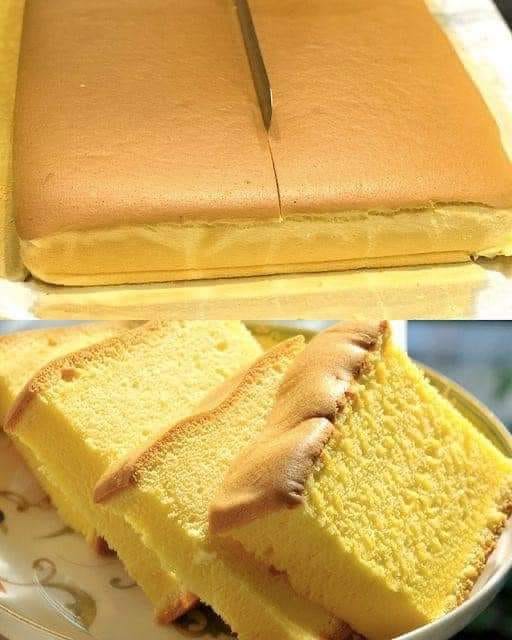
Le Gâteau Soufflé Castella : Mon Nouveau Obsession Léger et Doux
Je vais vous parler de ma dernière victoire en cuisine. C’est un gâteau si léger, si tremblotant et si haut que mes enfants étaient persuadés qu’il était magique. Je parle du Gâteau Soufflé Castella. Si vous avez toujours rêvé d’un gâteau à la perfection, léger comme un nuage à la manière asiatique, mais que vous vous sentiez intimidée, cette recette est votre nouvelle meilleure amie. C’est plus simple qu’il n’y paraît, et le résultat ? Un pur plaisir moelleux et fondant en bouche.
Un Petit Morceau d’Histoire : Du Japon à Votre Cuisine
Ce gâteau a un parcours fascinant. Bien que son nom semble français, le gâteau Castella est un classique gâteau sponge japonais. Il a été initialement introduit par des marchands portugais à Nagasaki au 16ème siècle. Les Japonais l’ont ensuite perfectionné, créant une délicatesse unique, légère, moelleuse et riche en œufs. Notre Gâteau Soufflé Castella est une merveilleuse variation de cette tradition, utilisant une technique de soufflé pour obtenir une mie encore plus éthérée et aérienne. C’est là où l’Orient rencontre l’Occident dans un délicieux paquet léger.
Pourquoi Vous Tomberez Amoureux de Ce Gâteau Soufflé Castella
Premièrement, la texture est un rêve absolu. C’est comme manger un nuage doux et parfumé à la vanille. Deuxièmement, il utilise des ingrédients basiques de placard que vous avez probablement déjà. Pas besoin d’outils sophistiqués ! Le meilleur, c’est que le processus de incorporation des blancs d’œufs aériens dans la pâte dorée est incroyablement satisfaisant. Regarder son majestueux développement dans le four est toujours magique. C’est un gâteau spectaculaire qui est aussi bon en goût qu’en apparence.
Quand Préparer Ce Beau Gâteau
Ce gâteau est merveilleusement versatile. Il est idéal pour un plaisir familial le weekend, un dessert léger après un repas copieux, ou une pièce maîtresse impressionnante pour un anniversaire ou un tea party. J’adore l’amener aux repas partagés parce qu’il est si différent des gâteaux glacés habituels. Il dit « J’ai préparé quelque chose spécial », sans nécessiter des heures de décoration.
Rassembler Vos Ingrédients Pour le Gâteau Soufflé Castella
Voici ce que vous aurez besoin pour cette belle préparation :
- 105g de farine tout usage – Tamisée, svp ! C’est clé pour la légèreté.
- 80ml d’huile végétale – Une huile neutre comme canola ou grapeseed fonctionne parfaitement.
- 120ml de lait entier – La richesse aide à créer une mie tendre.
- 100g de sucre fin – Le sucre superfin ou caster se dissout magnifiquement dans la meringue.
- 6 œufs de catégorie A – Des œufs à température ambiante sont non négociables pour un volume maximum.
Substitutions Intelligentes Pour Votre Placard
Vous manquez de quelque chose ? Pas de souci ! Voici quelques swaps faciles :
- Lait Entier : Vous pouvez utiliser du lait entier ou même un lait végétal non sucré comme oat ou soy. Le gras du lait laitier crée une saveur légèrement plus riche.
- Huile Végétale : Toute huile neutre fonctionne. Du beurre fondu, refroidi est une alternative savoureuse pour une saveur plus de style français genoise.
- Sucre Fin : Si vous avez seulement du sucre granulé régulier, juste donnez-lui un coup dans votre mixeur ou robot culinaire pour le rendre plus fin.
Créer Votre Gâteau Soufflé Castella Parfait : Pas à Pas
Prêt à préparer ? On va passer ensemble. Prenez votre temps, profitez du processus, et rappelez-vous : les incorporations douces sont votre arme secrète.
Étape 1 : Préchauffez et Préparation
Commence par préchauffer votre four à 165°C (330°F). C’est une température plus basse que beaucoup de gâteaux, ce qui est crucial pour le développement lent et uniforme que nous voulons. Tapissez votre moule carré 21x21x7 cm avec du papier sulfurisé, en faisant sûre que le papier vient sur les côtés. Ce sera l’échelle de votre gâteau pour grimper ! Astuce pro : Coupez le papier sulfurisé pour qu’il s’adapte confortablement dans les coins pour des bords nets.
Étape 2 : La Puissance du Tamisage
Prenez vos 105g de farine tout usage et tamisez-les dans un bol moyen. Je sais, ça semble une étape supplémentaire, mais croyez-moi. Tamiser aère la farine, casse tous grumeaux, et assure qu’elle incorporera harmonieusement dans notre pâte plus tard sans mélanger excessivement. Mélanger excessivement est l’ennemi d’un gâteau léger !
Étape 3 : Séparer Avec Soin
Cassez vos 6 œufs à température ambiante, séparant attentivement les jaunes des blancs dans deux bols impeccablement propres. Même un petit peu de gras ou jaune dans les blancs peut empêcher leur montage correctement. Faites sûre que votre fouet et bol sont sans gras pour la même raison. Je préfère séparer chaque œuf dans un petit bol avant de le ajouter aux bols communaux, juste au cas où un jaune se casse.
Étape 4 : Chauffez les Ingrédients Liquides
Dans une petite casserole, chauffez doucement les 80ml d’huile végétale et 120ml de lait entier ensemble jusqu’à juste tiède au toucher. Vous ne le veux pas hot, juste plaisamment tiède. Ce petit truc aide la farine absorber le liquide plus facilement, créant une pâte smooth, sans grumeaux. Vous verrez le mélange devenir magnifiquement fluide et brillant.
Étape 5 : Créer la Base Smooth
Tand que le mélange oil et lait est encore tiède, versez-le dans le bol avec votre farine tamisée. Utilisez un fouet pour rapidement les combiner. Le mélange va épaissir en une pâte smooth et pale. Cette étape, appelée « tangzhong » dans quelques méthodes de préparation, aide à lock de la moisteur pour un gâteau qui reste soft pour des jours.
Étape 6 : Accueillez les Jaunes
Maintenant, ajoutez vos jaunes d’œufs à cette pâte de farine tiède, un à la fois. Fouettez bien après chaque addition jusqu’à que le jaune est fully incorporé avant ajouter le suivant. Ce que vous obtiendrez est une pâte gloriousement riche, yellow, silky-smooth. Ce mélange vibrant yellow est le cœur de saveur de votre Gâteau Soufflé Castella.
Étape 7 : Construisez le Nuage de Meringue
Time pour la magie ! Prenez votre bol de blancs d’œufs et commence à fouetter à basse vitesse jusqu’ils deviennent foam, comme un bain à bulles. Now, ajoutez vos 100g de sucre fin en trois additions, fouettant à vitesse moyenne après chaque addition. Continuez jusqu’à vous atteignez soft peaks. Ceci signifie quand vous levez le fouet, la meringue forme une gentle courbe qui curls. Elle doit être glossy et smooth, pas dry ou grainy.
Étape 8 : L’Incorporation Douce
Cette est la plus importante étape. Prenez une large spoonful des blancs d’œufs whipped et stir vigoureusement dans le mélange de jaunes. Cette première addition lightens la pâte thick. Now, versez ce mélange jaunes lightened back dans le bol principal avec les blancs d’œufs restants. Utilisant une spatula, doucement fold ensemble. Slide spatula down, scoop underneath, et turn over. Répète juste jusqu’à aucun white streaks restent. Soyez patient—overmixing va deflate vos précieux air bubbles !
Étape 9 : Moule et Cuisson
Versez cette pâte fluffy, cloud-like dans votre moule préparé. Doucement tap le moule sur le comptoir une fois to release any large air bubbles. Placez-le au centre de votre four préchauffé. Now, la plus dur part : wait. Cuisez à 165°C pour 70-75 minutes. Le top devrait être a deep golden brown, et il devrait sentir ferme et springy quand doucement pressed.
Étape 10 : Le Refroidissement Inversé
Voici une Astuce Chef : Aussitôt que le gâteau sort du four, levez-le par le papier sulfurisé et invert sur une grille de refroidissement. Yes, upside down ! Ceci empêche le gâteau tall de collapsing under son propre poids comme il refroidit. Permettre le refroidissement complet dans cette position avant doucement flip back over pour slice. Ça crée la texture plus even.
Votre Timeline du Gâteau Soufflé Castella
- Temps de Préparation : 25 minutes
- Temps de Cuisson : 75 minutes
- Temps de Refroidissement : 1-2 heures (patientez!)
- Temps Total : Environ 3 heures du start au first slice
Le Un Secret pour une Douceur Suprême
Mon plus grand secret ? Œufs à température ambiante. Des blancs d’œufs cold simplement ne monteront pas à leur full, glorious volume. Sortez vos œufs du réfrigérateur au moins 30-60 minutes avant vous commence. Si vous oubliez, placez-les dans des bols d’eau warm (pas hot) pour 5-10 minutes. Cette simple étape fait un monde de différence dans la hauteur et texture de votre gâteau.
Un Fun Fact : Le Test du Tremblement
Dans beaucoup de bakeries japonaises, un Castella perfectly baked est connu pour son signature « tremblement ». Quand doucement shaken, le centre devrait avoir un slight, playful wobble quand il sort du four—il va firm up as il cools. Ceci tremblement signifie qu’il est incroyablement moist et tender inside. Ne être pas afraid of le wobble !
Équipement Essentiel pour Succès
Vous ne don’t besoin de rien fancy ! Un stand mixer ou hand mixer est un huge help pour les blancs d’œufs. Un fine-mesh sieve pour tamiser, un moule carré 21x21x7 cm pour gâteau (ceci taille est important pour la right hauteur), papier sulfurisé, un rubber spatula pour folding, et un wire cooling rack. C’est it !
Conserver Votre Gâteau Soufflé Castella Fresh
Once completely cool, vous pouvez stocker votre masterpiece. Parce qu’il est si moist, il garde beautifully. Enveloppez-le tightly en plastic wrap ou placez-le dans un airtight container à température ambiant pour jusqu’à 2 jours.
Pour un longer storage, vous pouvez refrigerer pour jusqu’à 5 jours. Permettre le venir à température ambiant avant de servir pour la meilleure texture et saveur. Le réfrigérateur cold peut firm it up a bit.
Ce gâteau aussi freezes wonderfully. Slice le, wrap individual portions tightly en plastic wrap, et placez-les dans un freezer bag. Dégeler à température ambiant pour quelques heures whenever une cloud-cake craving strikes !
Astuces Pro pour une Perfection Soufflé Castella
- Pesez vos ingrédients. La préparation est une science, et une kitchen scale assure perfect proportions chaque time.
- Ne open le oven door pour au moins le premier 60 minutes de cuisson. Un draft peut causer votre masterpiece de rising à collapse.
- Si le top est browning trop rapidement, loosely tent avec un sheet de aluminium foil pour le dernier 15-20 minutes de cuisson.
- Utilisez un long, serrated knife dans une motion gentle sawing pour slice le gâteau cleanly sans squashing.
Servir Votre Gâteau avec Style
Ce gâteau est stunning sur ses propres, dusted simply avec powdered sucre. Pour un touch plus fancy, serve avec un dollop de freshly whipped cream et quelques berries sur le côté. Essayez une drizzle de warm honey ou un light citrus syrup. Pour un anniversaire, top avec edible flowers pour un look elegant, natural. Rappelez-vous, c’est tout sur highlighting sa simple beauté.
Variations Inspirées à Essayer
Love cette base recette ? C’est un fantastic canvas pour créativité ! Voici quelques twists délicieux :
- Castella Soufflé Matcha : Ajoute 2 tablespoons de haute-quality matcha powder au farine tamisée pour une beautiful green tea flavor.
- Gâteau Nuage Chocolat : Remplace 30g de la farine avec unsweetened cocoa powder tamisé avec la farine.
- Delight de Zest Citron : Ajoute le zest finely grated de un lemon ou orange au mélange jaunes pour une bright, sunny aroma.
- Castella Honey : Remplace 50g du sucre avec un honey mild-flavored, warm légèrement pour être liquid.
- Swirl Cheese : Avant cuisson, swirl un few tablespoons de cream cheese softened avec un little sucre pour une surprise marbrée, tangy.
- Infused Café : Dissolve 1-2 teaspoons de instant espresso powder dans le lait warm pour une subtle coffee kick.
Si vous cherchez autres decadent baking projects, vous pourrait enjoy notre rich Brownies Menthe-Chocolat pour une holiday treat, notre perfectly portioned Brownies Petite Portion pour une small craving, le deliciously autumnal Donuts Pomme Farcis, ou un luxurious Gâteau Chocolat-Coco Prestige.
Erreurs Communes à Éviter avec Votre Gâteau Soufflé
Erreur 1 : Utiliser des Œufs Froids
Cette est la reason numéro un pourquoi un gâteau à base de meringue pourrait fail. Des blancs d’œufs froids contiennent des protéines tightly coiled qui resist unfolding et trapping air. Vous finirez avec un volume plus petit et un gâteau dense. Toujours planifier ahead et permettre vos œufs sit sur le comptoir jusqu’ils sont pas plus cool au touch. Votre reward sera un Castella fluffy, sky-high.
Erreur 2 : Fouetter Trop ou Pas Assez les Blancs d’Œufs
Obtenir la meringue au correct stage est crucial. Underwhipped, soft foam ne donnera pas assez structure, et le gâteau pourrait collapse. Overwhipped, dry, grainy meringue est difficile à fold in smoothly et peut aussi conduire à un poor development ou un top fissuré. Stop à soft peaks : glossy, smooth, et forming une gentle curl at au tip du fouet.
Erreur 3 : Mélanger Trop Vigoureusement Durant le Folding
Après tout ce careful fouettage, la dernière chose vous desire faire est battre tout l’air dehors ! Utiliser un fouet ou stirring roughly va deflate la delicate meringue. Always utilisez une spatula silicone et une motion gentle, patient folding. C’est okay si ça prend quelques extra folds to incorporer tout—preserving ces air bubbles est le goal.
Erreur 4 : Ouvrir la Porte du Four Trop Tôt
Patience est une vertu, spécialement avec les gâteaux soufflé. La structure est delicate durant le premier half de cuisson. Une blast d’air cold de une opened oven door peut causer le gâteau à fall avant il a set. Trust le processus, set un timer, et utilisez votre oven light pour vérifier la couleur. Resist opening la porte jusqu’au au moins le marque de 60 minutes.
Erreur 5 : Ne Pas Utiliser la Taille Correcte du Moule
Utiliser un moule qui’s trop large va entraîner un gâteau disappointingly short. Un moule qui’s trop small pourrait causer la pâte overflow. La recommended taille de 21x21x7 cm donne la pâte le perfect amount de support pour grimper en haut et créer ce signature tall, straight-sided look. Sticking à la taille spécifiée assure la cuisson parfaite.
Vos Questions sur le Gâteau Castella, Répondues !
Je peux faire ce Gâteau Soufflé Castella sans un stand mixer ?
Absolument ! Un good quality hand mixer va fonctionner perfectly fine pour fouetter les blancs d’œufs. Vous pouvez même whisk by hand avec un balloon whisk, mais être prepared pour un serious arm workout. Le clé est pour assurer you reach ce soft, glossy peaks, no matter quel tool vous utilisez.
Mon gâteau est tombé au centre après cuisson. Qu’est-ce que j’ai fait faux ?
Un centre enfoncé usually pointe à quelques possibilités : le gâteau était underbaked au centre, le oven door était opened trop early causant un choc température, ou la meringue était under-whipped et ne donnait pas assez structure. Temps suivant, faites le test du toothpick (à devrait venir clean), avoid opening le oven, et assure your meringue est au proper soft peak stage.
Pourquoi est-il important d’inverter le gâteau après cuisson ?
Cette est un brillant trick ! Inverting le gâteau tandis qu’il’s hot aide stretch la delicate mie downward, prévenant qu’il collapses under son propre poids comme il refroidit et contracts. Ça aussi donne vous un beautifully flat top pour servir. Juste être sûre de utiliser le papier sulfurisé « handles » pour le lever safely du moule.
Je peux ajouter des saveurs comme vanilla ou lemon ?
Yes, flavorings sont un wonderful addition ! Ajoute une teaspoon de vanilla extract pure ou le zest finely grated d’un fruit citrus au mélange jaunes dans Étape 6. Pour des saveurs plus intenses comme matcha ou cocoa, tamisez-les avec la farine dans Étape 2. Juste être mindful que ajouter des liquid flavorings dans large quantities peut changer la consistency de la pâte.
Comment je sais quand le gâteau est perfectly baked ?
Look pour une deep golden brown crust. Le top devrait sentir ferme et spring back lightly quand pressé. Le classique « toothpick test » est reliable ici—insérer un skewer dans le centre, et il devrait venir clean, avec aucun batter wet attaché. Also, vous pourrait noter le gâteau se détache légèrement des côtés du moule.
Je peux utiliser un moule rond au lieu d’un carré ?
Vous pouvez, mais être conscient que le temps cuisson peut need slight adjustment. Un moule rond de similar volume (like un 8-inch round cake moule) va fonctionner. Gardez un close eye sur il from le marque de 60 minutes, comme la shape change peut affecter la distribution heat. La forme carrée est traditionnelle pour Castella.
Pourquoi mon gâteau est légèrement de flavor d’œufs ?
Une très subtle flavor d’œufs est caractéristique d’un true Castella, qui utilise many œufs pour sa structure. Si la saveur est overpowering, ça pourrait signifier que les œufs étaient très larges ou particulièrement fort. Utiliser les œufs les plus frais vous pouvez find often yields la milder flavor. Le light sugar et vanilla devrait balancer ça beautifully.
Est-ce normal que le top fissure légèrement ?
Une très, shallow fissure sur le top est pas uncommon et ne affecte pas le taste ou texture du tout. Ça peut arriver si le température oven est un bit high ou si la meringue était légèrement over-whipped. Ne worry about it ! Une dusting de powdered sucre va le couvrir élégamment.
Je peux faire ce gâteau ahead of time pour une party ?
Définitivement ! In fact, many bakers croit que la flavor improves après resting pendant un jour. Cuisez-le le jour avant votre événement, permit le refroidir complet, wrap tightly, et stockez-le à température ambiant. Ça fait un dessert stress-free, impressive pour entertaining.
Il existe un moyen pour faire une version plus healthy de ce gâteau ?
While ceci est un treat, vous pouvez faire small tweaks. Utiliser une lumière vegetable oil et réduire le sucre par 10-15% peut fonctionner, alors ça peut légèrement affecter texture. Pour la plupart, embracing it comme un occasional, high-quality indulgence made avec real ingrédients est la meilleure approche. Focusing sur les bénéfices nutritionnels des œufs et ingrédients simples peut être part d’un balanced diet.
Prêt à Préparer Quelque Chose Wonderful ?
Je espère ce guide fill vous avec confidence pour essayer ce magical Gâteau Soufflé Castella. C’est plus que juste une recette ; c’est un petit adventure de préparation qui finit avec la most satisfying, fluffy slice de heaven. Rappelez-vous, le clé est patience et une hand douce. Une fois vous master ce cloud-like gâteau, ça va devenir un staple cherished dans votre repertoire de préparation. Pour plus de baking inspiration delightful, être sûr de explorer notre collection complète de gâteaux et pâtisseries sur le blog. Now, préchauffez cet oven et être ready pour du serious baking satisfaction !
Equipment
- Batteur sur socle ou mixeur à main
- Moule carré de 21x21x7 cm
- Tamis
- Spatule en silicone
- Grille de refroidissement
Ingrédients
- 105 g farine tout usage tamiser
- 80 ml huile végétale huile de colza ou de pépin de raisin
- 120 ml lait entier
- 100 g sucre fin
- 6 œufs de grade A, à température ambiante
Instructions
- Préchauffez le four à 165°C (330°F) et tapissez un moule carré de 21x21x7 cm de papier sulfurisé.
- Tamisez 105g de farine dans un bol moyen.
- Séparez les blancs des jaunes de 6 œufs dans deux bols impeccablement propres.
- Chauffez doucement 80ml d'huile végétale et 120ml de lait entier jusqu'à ce qu'ils soient tièdes.
- Mélangez l'huile et le lait tiède avec la farine tamisée pour obtenir une pâte lisse.
- Incorporez les jaunes d'œufs un par un au mélange de farine tiède et mélangez bien.
- Fouettez les blancs d'œufs jusqu'à l'obtention de pics mous, puis ajoutez 100g de sucre en trois fois.
- Incorporez délicatement une cuillère de blancs en neige dans le mélange de jaunes pour éclaircir la pâte, puis incorporez le reste des blancs en neige en pliant doucement.
- Versez la pâte dans le moule préparé et faites cuire au centre du four pendant 70 à 75 minutes.
- À la sortie du four, inversez le gâteau sur une grille de refroidissement jusqu'à ce qu'il soit complètement refroidi.
Notes
Nutrition

Je suis Céline, une véritable passionnée d’ustensiles et de matériel de cuisine ! J’adore tester, comparer et découvrir les meilleurs équipements pour rendre la cuisine plus efficace et agréable. Que ce soit un bon couteau, un robot performant ou une poêle incontournable, je suis toujours à la recherche des outils qui feront la différence. Mon but est de vous guider dans vos choix pour que vous ayez le bon matériel adapté à vos besoins.