
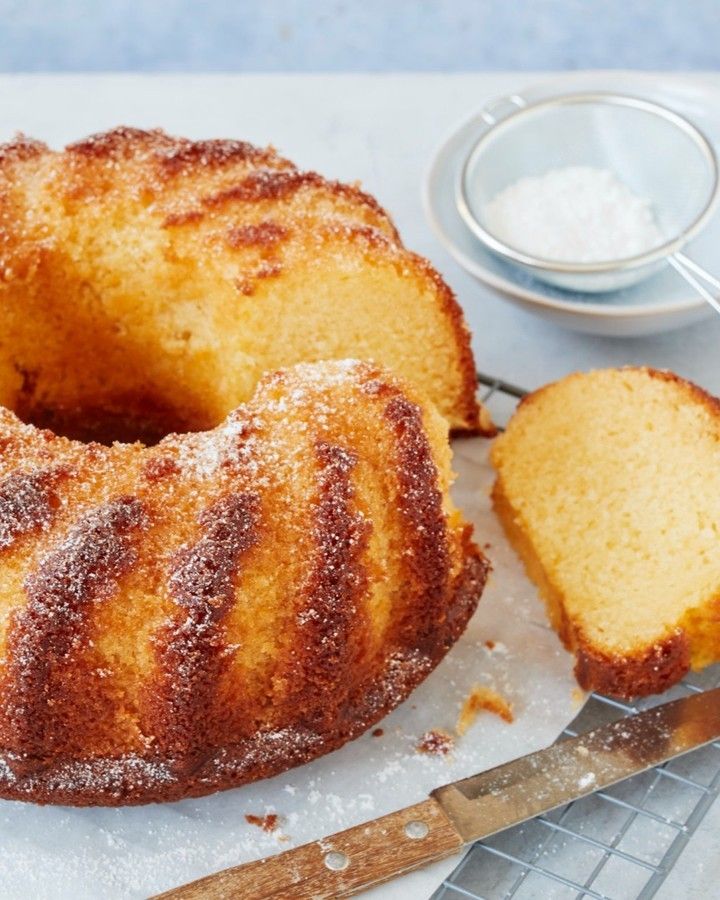
Gâteau à la Liqueur d’Œufs : Une Nuée de Douceur et une Pincée de Joie
Avez-vous déjà rêvé d’un gâteau qui a le goût d’une fête à chaque bouchée ? Un gâteau tellement moelleux qu’il fond presque en bouche, avec un doux parfum d’épices qui ressemble à un câlin réconfortant ? C’est exactement ce que j’ai ressenti la première fois que j’ai préparé ce gâteau à la liqueur d’œufs. Je cherchais une pièce maîtresse pour ma fête de fin d’année, quelque chose de différent du traditionnel cake aux fruits. Ce qui est sorti du four tenait de la pure magie — un chef-d’œuvre doré et parfumé qui a fait rafler toutes les parts avant même que je ne le saupoudre de sucre. C’est désormais ma recette incontournable pour transformer une journée ordinaire en un moment spécial.
La Douce Histoire du Gâteau à la Liqueur d’Œufs
La liqueur d’œufs, souvent appelée Advocaat, a une riche histoire en tant que spiritueux crèmeux à base d’œufs. L’utiliser en pâtisserie est un coup de génie ! Elle transforme une simple pâte à gâteau en quelque chose d’extraordinaire. Ce Gâteau à la Liqueur d’Œufs est une belle alliance entre la pâtisserie traditionnelle et une touche moderne et ludique. C’est comme le cousin élégant du quatre-quarts, apportant une saveur chaude et crémeuse totalement irrésistible. Dans ma famille, il est devenu une nouvelle tradition, faisant le pont entre l’ancien monde des liqueurs et le plaisir simple d’un gâteau maison.
Pourquoi Vous Allez Adorer Ce Gâteau à la Liqueur d’Œufs
Vous allez adorer cette recette car elle est étonnamment simple mais son goût est incroyablement complexe. La liqueur d’œufs fait deux choses merveilleuses : elle rend le gâteau incroyablement moelleux et l’imprègne d’une saveur unique et réconfortante. C’est une recette tout-en-un — un minimum de vaisselle, c’est toujours ça de gagné ! Sa texture est légère comme l’air, mais suffisamment riche pour se sentir gourmande. De plus, c’est un excellent sujet de conversation. Croyez-moi, quand vous le présenterez à table, les invités seront curieux et ravis.
Occasions Parfaites pour Votre Gâteau à la Liqueur d’Œufs
- Fêtes de Fin d’Année : Noël, Pâques ou le réveillon du Nouvel An — il apporte une touche festive.
- Goûter ou Café : Imaginez une tranche accompagnant votre tasse de thé ou de café de l’après-midi. La perfection !
- Anniversaires : Une merveilleuse alternative pour ceux qui préfèrent les saveurs élégantes au chocolat intense.
- Juste Comme Ça : Parfois, un mardi mérite un gâteau fabuleux.
Ingrédients pour Votre Gâteau à la Liqueur d’Œufs
Rassemblez ces ingrédients simples. Leur magie une fois combinés est plus grande que la somme de leurs parties !
Pour la Pâte
- 220 g de farine
- 1 sachet de préparation pour flan vanille (poudre)
- 1 sachet de levure chimique
- 250 g de sucre glace
- 1 pincée de sel
- 250 ml d’huile neutre (type tournesol ou colza)
- 200 ml de liqueur d’œufs (type Advocaat)
- 5 œufs
De Plus
- Un peu de beurre pour le moule
- Un peu de farine pour le moule
- Un peu de sucre glace pour saupoudrer
Options de Substitution Pratiques
Pas de liqueur d’œufs ? Pas de problème ! Vous pouvez utiliser un bon lait de poule du commerce (sans alcool, c’est possible) pour un profil de saveurs similaire. Si vous n’avez plus de poudre de flan vanille, remplacez-la par 20g de farine supplémentaire et 1 cuillère à café d’extrait de vanille. Pour une version sans lait, assurez-vous que votre liqueur d’œufs est sans lactose, ou utilisez l’alternative au lait de poule.
Passons à la Cuisine ! Réaliser Votre Gâteau à la Liqueur d’Œufs
Étape 1 : Préparez Votre Moule et Votre Four
Préchauffez d’abord votre four à 180°C en chaleur tournante, ou 160°C en chaleur statique. Ceci assure une cuisson parfaite et uniforme. Ensuite, prenez votre beau moule à Bundt ou à savarin (environ 22 cm de diamètre) et beurrez-le généreusement avec du beurre mou. N’oubliez aucun recoin ! Saupoudrez ensuite d’une fine couche de farine, en tapotant pour enlever l’excédent. Ce petit rituel est votre assurance pour un démoulage réussi plus tard. Un moule bien préparé est le secret d’un gâteau magnifique.
Astuce de pro : Utilisez un pinceau de pâtisserie pour étaler le beurre, puis saupoudrez la farine et faites tourner le moule pour un enrobage uniforme.
Étape 2 : Mélangez Vos Ingrédients Secs
Dans un grand saladier, fouettez ensemble la farine, la poudre de flan vanille et la levure chimique. Ceci aère les ingrédients secs et assure une répartition homogène de l’agent levant. La poudre de flan vanille est une astuce ingénieuse — elle donne au gâteau une mie incroyablement tendre et un léger goût de vanille. Ajoutez le sucre glace et cette petite pincée de sel, qui équilibrera à merveille toute la douceur. Versez l’huile neutre. Le mélange aura un aspect un peu sablonneux à ce stade, c’est tout à fait normal.
Étape 3 : Créez la Pâte Magique
Maintenant, place à la partie amusante ! Cassez vos œufs dans le saladier et versez-y la glorieuse liqueur d’œufs. La liqueur sera d’un jaune riche et crèmeux, avec un parfum de vanille et d’épices douces. À l’aide d’un batteur électrique, fouettez le tout à vitesse moyenne-élevée pendant 2 bonnes minutes. Observez la pâte se transformer : d’abord grumeleuse, puis lisse, pour devenir pâle, volumineuse et joliment mousseuse. Cette étape d’aération est cruciale pour obtenir cette texture légère et aérienne. Versez cette pâte sublime dans votre moule préparé, en lissant délicatement le dessus.
Astuce du Chef : Les œufs à température ambiante s’incorporent beaucoup plus facilement et donnent plus de volume. Sortez-les du réfrigérateur environ 30 minutes avant de commencer.
Étape 4 : Cuisez jusqu’à Perfection Dorée
Placez votre gâteau sur la grille du bas du four préchauffé. Le cuire en bas aide l’intérieur à cuire sans que le dessus ne brunisse trop. Programmez votre minuteur sur 60 minutes. Votre cuisine sera bientôt remplie de l’arôme le plus doux et réconfortant. Résistez à l’envie d’ouvrir la porte du four trop tôt ! Le gâteau est cuit lorsqu’un couteau inséré dans la partie la plus épaisse en ressort propre. S’il a besoin de quelques minutes de plus, laissez-le.
Étape 5 : Refroidissez et Présentez Votre Chef-d’Œuvre
Laissez le gâteau refroidir dans son moule sur une grille pendant environ 15 minutes. Ceci lui permet de se contracter légèrement, facilitant le démoulage. Ensuite, placez une feuille de papier sulfurisé sur le moule et retournez-le délicatement. Le gâteau devrait se libérer avec un léger *plop*. Laissez-le refroidir complètement sur la grille. Juste avant de servir, saupoudrez-le généreusement de sucre glace à l’aide d’un tamis fin. Il aura l’air d’une douce chute de neige sur votre Gâteau à la Liqueur d’Œufs doré.
Récapitulatif des Temps
- Temps de Préparation : 15 minutes
- Temps de Cuisson : 60 minutes
- Temps de Refroidissement : 1 heure (minimum)
- Temps Total : Environ 2 heures 15 minutes
Le Secret du Chef pour un Gâteau Ultra-Aérien
Mon arme secrète ? Battre la pâte finale pendant 2 minutes pleines. Ne précipitez pas cette étape ! Incorporer autant d’air est ce qui donne au gâteau sa texture tendre et légère comme un nuage. C’est la différence entre un bon gâteau et un excellent gâteau.
Un Peu Plus d’Info sur Vos Ingrédients
La poudre de flan vanille dans cette recette n’est pas là que pour la saveur. Elle contient de la maïzena et de la vanille, ce qui aide à stabiliser la structure du gâteau et à le garder incroyablement moelleux pendant des jours. C’est une astuce de pâtissier courante dans de nombreuses recettes européennes pour garantir le succès !
Matériel Nécessaire
- Un moule à Bundt ou Gugelhupf de 22 cm de diamètre
- Un grand saladier
- Batteur électrique ou robot de cuisine
- Grille de refroidissement
- Tamis fin (pour saupoudrer)
Comment Conserver Votre Gâteau à la Liqueur d’Œufs
Une fois complètement refroidi, vous pouvez conserver votre gâteau. La meilleure méthode est de l’emballer hermétiquement dans du film alimentaire ou de le placer dans une boîte à gâteau étanche. Cela l’empêche de sécher.
Il restera merveilleusement moelleux et délicieux à température ambiante pendant 3 à 4 jours. Je trouve même que les saveurs s’harmonisent et s’intensifient encore plus le deuxième jour.
Pour une conservation plus longue, vous pouvez congeler le gâteau entier ou en tranches individuelles. Emballez-le bien dans du film alimentaire, puis dans du papier aluminium. Il se conservera jusqu’à 3 mois. Décongelez-le une nuit à température ambiante et saupoudrez de sucre glace frais avant de servir.
Conseils et Astuces Pratiques
- Toujours mesurer la farine en la versant à la cuillère dans la tasse et en nivelant avec le dos d’un couteau. La tasser peut l’alourdir et donner un gâteau sec.
- Si votre gâteau dore trop vite sur le dessus, couvrez-le légèrement d’une feuille d’aluminium pour les 15-20 dernières minutes de cuisson.
- Pour un goût supplémentaire, ajoutez le zeste d’un citron ou d’une orange dans la pâte.
Idées de Présentation Rafinées
- Saupoudrez de sucre glace et décorez avec des feuilles d’or comestibles pour un look vraiment festif.
- Servez avec une quenelle de crème chantilly légèrement sucrée et des baies fraîches sur le côté.
- Nappez-le d’un simple glaçage fait de sucre glace et d’un peu de liqueur d’œufs.
- Placez-le sur un beau pied à gâteau — il mérite d’être la pièce maîtresse !
Variations Inspirées de Votre Gâteau à la Liqueur d’Œufs
Vous aimez ce gâteau ? Alors vous allez adorer explorer d’autres desserts décadents. Pour un mélange somptueux de chocolat et d’agrumes, essayez ce luxueux Cheesecake au Chocolat et Orange. Une envie de réconfort classique ? Ce riz au lait traditionnel est la simplicité à son meilleur. Quand c’est la saison des cerises, un Gâteau Glacé Cerise-Chocolat Élégant est à couper le souffle. Et pour une indulgence chocolatée pure, un simple gâteau au chocolat moelleux fait toujours l’unanimité. Vous trouverez plus d’inspiration comme celle-ci dans notre collection complète de gâteaux et pâtisseries.
- Version Café : Ajoutez 2 cuillères à soupe de poudre de café instantané aux ingrédients secs pour une touche moka.
- Aux Pépites de Chocolat : Incorporez 150g de pépites de chocolat noir avant de verser dans le moule.
- Délice aux Noix : Ajoutez 100g d’amandes ou de noisettes toastées et finement moulues, en remplaçant 50g de la farine.
- Version Épicée : Ajoutez 1 cuillère à café de cannelle et ½ cuillère à café de muscade aux ingrédients secs.
- Citron-Pavot : Ajoutez le zeste de 2 citrons et 2 cuillères à soupe de graines de pavot.
- Avec Glaçage : Oubliez le saupoudrage et nappez le gâteau refroidi d’un simple glaçage au sucre glace et jus de citron.
Erreurs Courantes à Éviter
Erreur 1 : Ne pas Préparer Correctement le Moule
C’est la raison numéro un pour laquelle les gâteaux collent ! Un simple beurage ne suffit pas pour les moules à Bundt aux motifs complexes. Beurrez chaque rainure, puis farinez, en tapotant pour enlever l’excédent. Cela crée une barrière anti-adhésive. Si vous êtes nerveux, utilisez un spray de cuisson qui contient de la farine — c’est un sauveur pour les moules détaillés.
Erreur 2 : Sous-Mélanger la Pâte Finale
Après avoir ajouté les œufs et la liqueur, vous devez battre pendant les 2 minutes complètes. Ce n’est pas simplement mélanger ; c’est incorporer de l’air. S’arrêter trop tôt donne un gâteau plus dense et lourd. Utilisez un minuteur et laissez votre batteur faire son travail. La pâte doit être légère, pâle et presque mousseuse.
Erreur 3 : Ouvrir la Porte du Four Trop Tôt
On a tous envie de jeter un coup d’œil ! Mais ouvrir la porte dans les 40 premières minutes de cuisson laisse s’échapper une chaleur cruciale. Cela peut faire tomber le gâteau ou le faire cuire de manière inégale. Fiez-vous à la lumière de votre four et au minuteur. Votre patience sera récompensée par un gâteau parfaitement levé.
Erreur 4 : Essayer de Démouler le Gâteau alors qu’il est Trop Chaud
Si vous retournez le gâteau immédiatement, il peut se casser. Si vous attendez trop longtemps, il peut coller à cause de la vapeur. Le moment idéal est après environ 15 minutes de refroidissement dans le moule. Le gâteau sera assez ferme pour garder sa forme mais se détachera encore facilement.
Erreur 5 : Utiliser des Ingrédients Froids
Les œufs et la liqueur froids ne se mélangent pas aussi bien à la pâte et peuvent la faire « figer » légèrement. Utiliser des ingrédients à température ambiante garantit une pâte plus lisse et homogène, qui cuit avec une texture plus fine. Anticipez et sortez vos œufs et votre liqueur 30 minutes avant de commencer la préparation.
Questions Fréquemment Posées
Puis-je faire ce gâteau à la liqueur d’œufs sans alcool ?
Absolument ! Vous pouvez remplacer la liqueur d’œufs par un lait de poule du commerce ou maison, non alcoolisé. Le profil de saveur sera très similaire — crémeux, doux et épicé. Assurez-vous simplement qu’il soit de bonne qualité pour un meilleur goût. Le gâteau restera merveilleusement moelleux et délicieux, ce qui en fait une option parfaite pour tous.
Mon gâteau n’a pas beaucoup levé. Qu’est-ce qui a pu mal se passer ?
Quelques coupables courants existent. Vérifiez d’abord que votre levure chimique est fraîche. Une vieille levure perd de son efficacité. Ensuite, vous avez peut-être trop mélangé la pâte après avoir ajouté la farine, ce qui peut développer le gluten et donner un gâteau plat et dense. Mélangez juste jusqu’à ce que ce soit homogène. Enfin, assurez-vous que votre four était entièrement préchauffé avant d’y mettre le gâteau. Un départ à froid peut compromettre la pousse.
Puis-je le cuire dans un moule différent ?
Oui, c’est possible ! Un moule à cake standard ou un moule rectangulaire de 22×28 cm fera l’affaire. Le temps de cuisson devra être ajusté. Pour un moule à cake, il peut falloir un peu plus de temps. Pour un moule rectangulaire, le gâteau sera plus fin et cuira plus vite, peut-être en 35-45 minutes. Toujours vérifier la cuisson avec le test du couteau — il doit ressortir propre.
Comment savoir quand le gâteau est parfaitement cuit ?
Le meilleur test est le test du couteau (ou cure-dent). Insérez-le dans la partie la plus épaisse du gâteau. S’il ressort propre, sans pâte crue collante, c’est cuit. Les bords doivent aussi commencer à se décoller légèrement des parois du moule, et le dessus sera d’un beau brun doré et rebondira légèrement au toucher.
Puis-je ajouter des fruits ou des fruits secs à cette recette ?
Certainement ! Incorporez jusqu’à 150g d’ingrédients comme des raisins secs, des cranberries séchées ou des noix hachées, une fois la pâte prête. Farinez-les légèrement avant de les ajouter — cela les empêche de couler au fond pendant la cuisson. Soyez délicat pour ne pas faire retomber votre belle pâte aérée.
Pourquoi mon gâteau est trop foncé dessus mais encore cru à l’intérieur ?
Cela signifie généralement que votre four est trop chaud, ou que le gâteau est placé trop haut. Utilisez toujours un thermomètre de four pour vérifier la température réelle. La prochaine fois, faites cuire sur une grille plus basse et envisagez de réduire la température de 10°C. Si vous voyez qu’il dore trop vite, couvrez-le de papier aluminium vers la moitié du temps de cuisson.
Puis-je préparer la pâte à l’avance ?
Je ne le recommande pas. La levure chimique commence à réagir dès qu’elle entre en contact avec l’humidité. Laisser reposer la pâte signifie qu’elle perdra son pouvoir levant, ce qui donnera un gâteau dense. Pour de meilleurs résultats, mélangez et cuisez immédiatement. Cependant, vous pouvez peser tous vos ingrédients secs à l’avance pour gagner du temps.
Avec quoi puis-je servir ce gâteau ?
Il est délicieux tel quel, avec juste un saupoudrage de sucre. Pour un dessert plus décadent, servez-le avec de la crème chantilly légère, une sauce anglaise à la vanille, ou des baies fraîches de saison. Une boule de glace à la vanille à côté d’une tranche tiède est aussi un délice. Les possibilités sont infinies !
Combien de temps se conserve ce gâteau ?
Stocké correctement dans un contenant hermétique à température ambiante, il reste moelleux et délicieux pendant 3 à 4 jours. En fait, beaucoup pensent qu’il est encore meilleur le lendemain, les saveurs s’étant harmonisées. Si vous devez le garder plus longtemps, la congélation est votre meilleure option pour préserver la texture et le goût du fait maison.
Y a-t-il un moyen de rendre cette recette plus saine ?
Vous pouvez faire des petits ajustements, même si cela modifiera légèrement la texture. Vous pouvez remplacer la moitié de l’huile par de la compote de pommes non sucrée. Utilisez de la farine de blé complet type 65 pour plus de fibres. Pour mieux comprendre comment les ingrédients affectent vos plats, des ressources comme la base de données nutritionnelle Ciqual peuvent être très instructives. Souvenez-vous, la pâtisserie est une science, donc des substitutions majeures peuvent nécessiter quelques essais.
Votre Nouveau Gâteau Favori Vous Attend
Et voilà — le secret de mon célèbre gâteau à la liqueur d’œufs ! C’est plus qu’une recette ; c’est la promesse d’une cuisine joyeuse, d’une belle table et de sourires partagés. C’est la preuve que quelques ingrédients simples peuvent créer quelque chose d’extraordinaire. Alors, préchauffez ce four, sortez vos bols, et préparez-vous à créer un souvenir. J’ai hâte que vous découvriez la joie que ce Gâteau à la Liqueur d’Œufs apporte. Bonne pâtisserie !
Equipment
- Moule à Bundt de 22 cm
- Grand bol de mélange
- Mixeur électrique
- Grille de refroidissement
- Tamis à mailles fines pour le saupoudrage
Ingrédients
- 220 g farine
- 1 paquet poudre à pudding vanille
- 1 paquet levure chimique
- 250 g sucre glace
- 1 pincée sel
- 250 ml huile alimentaire neutre comme le tournesol ou le colza
- 200 ml liqueur d'œufs comme l'Advocaat
- 5 œufs
- beurre pour le moule beurre
- un peu pour le moule farine
- un peu pour saupoudrer sucre glace
Instructions
- Préchauffez votre four à 180°C avec circulation d'air, ou 160°C pour un four traditionnel. Beurrez généreusement un moule à Bundt de 22 cm de diamètre et farinez-le.
- Dans un grand bol, mélangez la farine, la poudre à pudding, la levure et le sucre glace avec une pincée de sel, puis ajoutez l'huile.
- Ajoutez les œufs et la liqueur d'œufs au mélange et battez le tout pendant 2 minutes avec un mixeur électrique à vitesse moyenne-haute.
- Versez la pâte dans le moule préparé et lissez le dessus.
- Faites cuire au four pendant 60 minutes, jusqu'à ce qu'un cure-dent inséré en ressorte propre.
- Laissez refroidir le gâteau dans son moule sur une grille pendant 15 minutes puis démoulez-le sur la grille pour qu'il refroidisse complètement. Saupoudrez de sucre glace avant de servir.
Notes
Nutrition

Je suis Céline, une véritable passionnée d’ustensiles et de matériel de cuisine ! J’adore tester, comparer et découvrir les meilleurs équipements pour rendre la cuisine plus efficace et agréable. Que ce soit un bon couteau, un robot performant ou une poêle incontournable, je suis toujours à la recherche des outils qui feront la différence. Mon but est de vous guider dans vos choix pour que vous ayez le bon matériel adapté à vos besoins.