
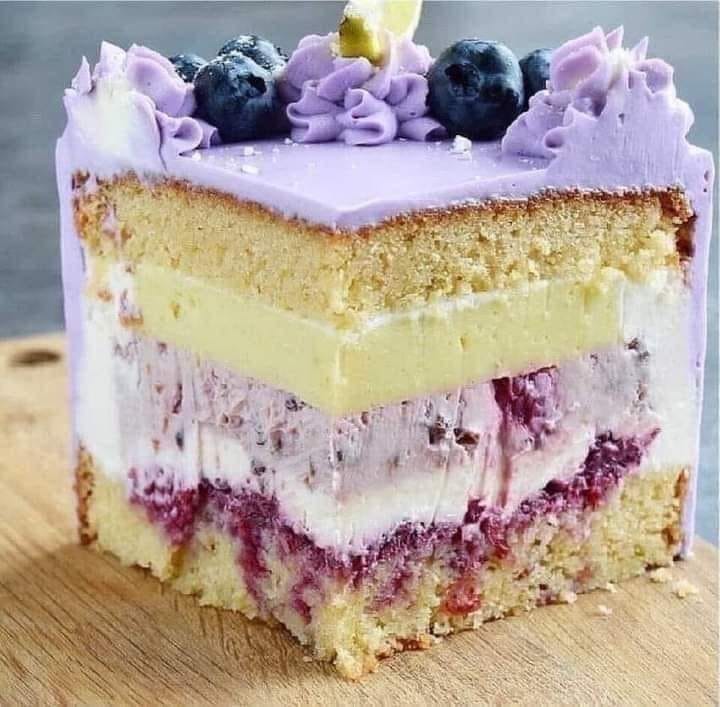
Un Goût d’Été : Mon Aventure Ultime Avec le Gâteau aux Mûres
Avez-vous déjà goûté un gâteau qui fait l’effet d’un câlin ? Ce Gâteau aux Mûres fait exactement ça. Je me souviens de la première fois que je l’ai préparé, un après-midi de fin d’été avec un bol de baies fraîchement cueillies. L’acidité éclatante des mûres contre la mie sucrée et fondante était une pure magie. Ce n’était pas juste un dessert ; c’était un moment dans un bol. Aujourd’hui, je suis ravie de partager ma recette parfaite pour ce magnifique Blackberry Cake, ou comme on l’appelle élégamment en français, Gâteau Aux Mûres. Préparez-vous pour un voyage de saveurs qui fera de vous la star de n’importe quelle réunion !
L’Histoire d’un Gâteau Vraiment « Berry » Sympa
Mon amour pour les baies dans les gâteaux a commencé avec le gâteau aux myrtilles sauvages de ma grand-mère. Mais les mûres ? Elles apportent une touche plus intense et complexe. Alors que le classique Gâteau Aux Mûres évoque peut-être des images de pâtisseries françaises, cette version est la chanson de mon cœur de cuisinière à la maison. Elle allie le charme rustique d’un dessert généreux en fruits à la sophistication d’un gâteau à étages. J’ai testé et peaufiné cette recette à travers d’innombrables anniversaires familiaux et dîners tranquilles du dimanche. Le secret ? Un coulis de purée de mûres maison *à l’intérieur* des couches du gâteau, créant de magnifiques rubans violets, et un glaçage au beurre infusé avec cette même purée vibrante. C’est une célébration de la baie dans chaque bouchée.
Pourquoi Vous Allez Tomber Amoureux de Ce Gâteau Aux Mûres
Ce n’est pas juste *n’importe quel* gâteau. Premièrement, la saveur est incroyable. Le citron vert, piquant, relève parfaitement les mûres riches. Deuxièmement, la texture est rêvée – moelleuse, tendre, et parsemée de baies juteuses. Il est assez impressionnant pour une célébration mais assez simple pour un projet de pâtisserie du week-end. De plus, réaliser la purée maison est tellement gratifiant. Croyez-moi, la tête de vos amis quand ils le découperont vaut chaque seconde !
Les Occasions Parfaites Pour Votre Chef-d’Œuvre aux Mûres
Ce gâteau est merveilleusement polyvalent. C’est un élément central pour les anniversaires d’été, surtout avec ces baies couleur joyau sur le dessus. Imaginez-le comme pièce maîtresse d’un goûter en plein air ou d’une fin sophistiquée pour un dîner. Il est aussi parfait pour les repas partagés – tout le monde vous demandera la recette ! Et soyons honnêtes, parfois « Mardi » est l’occasion parfaite pour une part de Gâteau Aux Mûres et une tasse de thé.
Rassembler Vos Ingrédients
Voici ce dont vous aurez besoin pour donner vie à cette beauté. Je trouve utile d’avoir tout mesuré et prêt avant de commencer à mélanger.
Pour le gâteau aux mûres :
- 227 g de babeurre (ou lait entier + 1 c. à soupe de vinaigre blanc)
- 85 g d’huile végétale
- 3 gros œufs
- 1 cuillère à soupe de zeste de citron vert (environ 1 citron vert)
- 1 cuillère à soupe de jus de citron vert
- 340 g de farine tout usage
- 312 g de sucre en poudre
- 1 cuillère à café de sel
- 1 cuillère à café de bicarbonate de soude
- 227 g de beurre non salé, ramolli
- 2 cuillères à soupe de farine (pour enrober les mûres)
- 113 g de mûres (fraîches ou surgelées)
Pour la purée de mûres :
- 453 g de mûres fraîches ou surgelées
- 1 cuillère à soupe de zeste de citron vert
- 2 cuillères à soupe de jus de citron vert
- 1 cuillère à soupe de maïzena (fécule de maïs)
- 1/8 de cuillère à café de sel
Pour le glaçage au beurre à la mûre :
- 680 g de beurre non salé, température ambiante
- 680 g de sucre glace, tamisé
- 2 cuillères à café d’extrait de vanille
- 170 g de blancs d’œufs pasteurisés, température ambiante
- 57 g de purée de mûres (ou plus selon votre goût)
- 1 goutte de colorant alimentaire rose (optionnel)
Substitutions d’Ingrédients (Sans Stress !)
Il vous manque quelque chose ? Pas de problème ! Voici des alternatives faciles :
- Babeurre : l’astuce lait + vinaigre fonctionne parfaitement.
- Mûres : Les surgelées fonctionnent très bien ! Ne les décongelez pas pour la pâte à gâteau.
- Citron vert : Le citron jaune est un substitut merveilleux pour le zeste et le jus.
- Huile végétale : Une huile neutre comme le colza convient très bien.
- Glaçage : Si vous êtes pressé, une simple crème fouettée aromatisée avec un peu de purée est délicieuse.
C’est Parti Pour Faire Cuire Cette Beauté aux Mûres !
Prêts ? Mettons-nous les mains (et les cuillères) à la pâte ! Je vais vous guider à chaque étape.
Étape 1 : Préparer la Purée de Mûres Gourmande
D’abord, faisons la saveur star. Dans un petit bol, mélangez le jus de citron vert et la maïzena en une pâte lisse. Maintenant, mettez vos mûres (les 453 g pour la purée) dans une casserole avec cette pâte et le sel. Prenez votre mixeur plongeant et mixez directement dans la casserole jusqu’à l’obtention d’une texture lisse. Allumez le feu à puissance moyenne et commencez à remuer. Vous verrez la couleur s’intensifier et le mélange bouillir doucement et épaissir. C’est comme regarder de la magie violette ! Une fois qu’il a suffisamment épaissi pour napper le dos d’une cuillère, retirez du feu et incorporez le zeste de citron vert. Laissez refroidir complètement cette magnifique purée. Astuce de pro : Je l’étale sur une assiette pour qu’elle refroidisse plus vite ! Vous en utiliserez une partie à l’intérieur du gâteau et le reste pour le glaçage.
Étape 2 : Mélanger la Pâte à Gâteau Avec Soin
Préchauffez votre four à 168°C et préparez vos moules à gâteau. Maintenant, pour la magie de la pâte. Mesurez votre babeurre, mais séparez-en 113 g. Fouettez l’huile végétale dans ces 113 g et réservez. À la plus grande portion de babeurre, ajoutez délicatement vos œufs et le zeste de citron vert en fouettant. Dans le bol de votre batteur, combinez la farine, le sucre, le sel et le bicarbonate de soude. Avec le batteur à basse vitesse, ajoutez le beurre ramolli en morceaux. Mélangez jusqu’à ce que cela ressemble à du sable humide et grossier. C’est la méthode dite « de crémage inversé » qui donne une mie incroyablement tendre. Versez le mélange babeurre-huile d’un seul coup et mélangez à vitesse moyenne pendant une minute pleine. Raclez bien les parois du bol !
Étape 3 : Le Mélange Final et le Tourbillon
Maintenant, avec le batteur à basse vitesse, ajoutez le mélange œufs-babeurre en trois fois. Versez le jus de citron vert avec le dernier ajout. Arrêtez et raclez à mi-parcours. Votre pâte sera magnifiquement épaisse et lisse. Répartissez-la équitablement entre vos moules. Voici la partie amusante : déposez environ 2 cuillères à soupe de cette purée refroidie sur la pâte dans chaque moule. Utilisez un couteau pour la faire tourbillonner délicatement – ne mélangez pas trop ! Vous voulez de jolies poches violettes. Enrobez les 113 g de mûres dans les 2 cuillères à soupe de farine et parsemez-les sur le dessus. Elles s’enfonceront juste ce qu’il faut pendant la cuisson du gâteau.
Étape 4 : Cuire, Refroidir et Se Préparer à Glacer
Glissez vos moules dans le four. Commencez à vérifier à partir de 30 minutes. Lorsqu’un cure-dent en ressort avec juste quelques miettes humides, c’est cuit. Laissez-les refroidir 10 minutes dans le moule, puis retournez-les sur une grille pour qu’ils refroidissent complètement. Astuce de pro : Une fois froids, emballez-les bien serrés et congelez-les pendant au moins une heure. Un gâteau froid est bien plus facile à égaliser et à glacer sans miettes !
Étape 5 : Préparer le Glaçage au Beurre Rêvé
Pendant que les gâteaux refroidissent, faites le glaçage. Battez le beurre à température ambiante jusqu’à ce qu’il soit pâle et aéré, environ 5 minutes. Ajoutez progressivement le sucre glace tamisé. Ensuite, avec le batteur en marche, versez doucement les blancs d’œufs à température ambiante en filet. Battez jusqu’à obtenir un glaçage soyeux, léger comme un nuage. Enfin, battez la vanille, 57 g de la purée de mûres (passée au tamis si vous ne voulez pas de graines), et cette goutte optionnelle de colorant rose pour un éclat supplémentaire.
Étape 6 : Assembler Votre Chef-d’Œuvre
Placez votre première couche de gâteau refroidie sur une assiette. Étalez une couche de glaçage, puis ajoutez des mûres fraîches ou un peu de purée supplémentaire. Recouvrez avec la seconde couche de gâteau. Appliquez une fine « couche anti-miettes » de glaçage sur tout le gâteau et mettez-le au frais pendant 20 minutes. Cela emprisonne les miettes. Ensuite, recouvrez avec le reste de ce magnifique glaçage rose et lissez-le ou faites des volutes comme vous le souhaitez. Décorez le dessus avec une cascade de mûres fraîches et une pincée de zeste de citron vert. Reculez et admirez !
Votre Chronologie de Préparation
Ce gâteau est un travail d’amour, mais les étapes sont faciles à fractionner.
- Préparation de la purée : 15 minutes
- Mélange et cuisson du gâteau : 30 minutes actives, 30 à 35 minutes de cuisson
- Refroidissement/Congélation : 2 heures (le moment parfait pour faire le ménage !)
- Glaçage et assemblage : 30 minutes
- Temps total : Environ 3h30 à 4 heures, en grande partie sans surveillance.
Mon Arme Secrète : le Choc au Congélateur
Mon meilleur truc absolu pour n’importe quel gâteau à étages est le choc au congélateur. Emballer et congeler les couches de gâteau pendant au moins une heure les raffermit. Cela signifie zéro miette dans votre glaçage, des bords nets quand vous les égalisez et une base très solide pour l’empilage. C’est la différence entre un look « fait maison » et un look « professionnel de pâtisserie ».
Un Fait « Berry » Intéressant
Saviez-vous que les mûres ne sont pas réellement des baies ? Botaniquement, ce sont des « fruits agrégés », un agrégat de nombreux petits fruits appelés drupéoles. Chaque petite bosse sur la mûre est son propre fruit avec sa propre graine ! Cette structure est la raison pour laquelle elles ont une texture si merveilleuse et complexe.
Votre Boîte à Outils de Pâtisserie
Pas besoin d’équipement sophistiqué, mais ces outils aident :
- Deux moules à gâteau ronds de 20 cm
- Batteur sur socle ou batteur électrique
- Mixeur plongeant (ou mixeur classique pour la purée)
- Casserole
- Passoire fine (pour filtrer les graines de la purée)
- Spatule coudée pour le glaçage
- Balance de cuisine (pour la précision)
Conserver Votre Gâteau Aux Mûres
Le Jour J : Si vous servez le gâteau dans les quelques heures, il peut rester à température ambiante. Le glaçage restera mou et onctueux.
Pour Quelques Jours : Ce gâteau se conserve magnifiquement au réfrigérateur jusqu’à 4 jours. Les saveurs se mélangent et s’intensifient même ! Assurez-vous de le couvrir avec un dôme à gâteau ou un bol renversé pour le protéger des odeurs du frigo.
Amour à Long Terme : Vous pouvez congeler les couches de gâteau non glacées, bien emballées, jusqu’à 2 mois. Le glaçage peut aussi être congelé. Décongelez les deux une nuit au réfrigérateur avant d’assembler.
Astuces & Conseils pour Réussir
- Température Ambiante est Clé : Votre beurre, vos œufs et votre babeurre doivent être à température ambiante pour obtenir une pâte lisse et bien émulsionnée.
- Ne Pas Trop Tourbillonner : Lorsque vous marbrez la purée dans la pâte, 2-3 mouvements en forme de huit avec un couteau suffisent largement.
- Fariner Ces Mûres : Enrober les mûres fraîches de farine avant de les ajouter à la pâte aide à les empêcher de couler directement au fond.
- Glaçage Trop Mou ? Si votre cuisine est chaude, mettez le glaçage au frigo pendant 10 minutes avant votre couche finale.
La Présentation Parfaite
Faites-en votre création !
- Décorez avec un mélange de mûres, myrtilles et framboises pour un look « mélange de baies ».
- Ajoutez des fleurs comestibles pour une pièce maîtresse vraiment époustouflante.
- Pour une touche rustique, laissez le glaçage avec des volutes et tourbillons visibles.
- Servez chaque part avec une cuillerée de crème fouettée légère à côté.
Plus d’Inspiration de Gâteaux
Si vous aimez ce Gâteau Aux Mûres, vous allez adorer explorer d’autres gâteaux fabuleux. Que diriez-vous d’un nostalgique gâteau Vague du Danube avec ses couches de cerise et chocolat ? Pour une merveille sans cuisson, mon Gâteau Éclair aux Pommes Caramélisées ravit toujours la foule. Vous voulez une gourmandise amusante à manger avec les doigts ? Ces Roulés S’mores Gourmands sont irrésistibles. Et pour un goût d’automne, mon Gâteau Pomme Speculoos associe parfaitement biscuits épicés et pommes fondantes.
Erreurs Courantes à Éviter
Évitez ces pièges pour un gâteau parfait à chaque fois.
Erreur 1 : Utiliser des Ingrédients Froids
C’est la raison n°1 pour laquelle les gâteaux deviennent compacts ou ne lèvent pas bien. Le beurre froid ne s’incorpore pas harmonieusement à la farine, et les œufs ou le lait froids peuvent faire cailler la pâte. Anticipez toujours ! Sortez votre beurre, vos œufs et votre babeurre du frigo au moins une heure avant de commencer. Votre pâte sera plus lisse et votre gâteau sera plus léger et cuit de façon plus homogène.
Erreur 2 : Trop Mélanger Après l’Ajout des Liquides Finaux
Une fois que vous ajoutez le dernier mélange de lait et d’œufs, mélangez *juste* jusqu’à ce que la pâte soit homogène et qu’il ne reste plus de traces de farine. Trop mélanger à ce stade développe le gluten de la farine, ce qui donne un gâteau caoutchouteux et dense au lieu d’une mie tendre. Ce n’est pas grave si la pâte semble un peu grumeleuse – c’est mieux que de trop la travailler !
Erreur 3 : Ne Pas Laisser Refroidir Complètement la Purée
Ajouter de la purée tiède à votre pâte à gâteau ou à votre glaçage est une catastrophe en attente. Dans la pâte, elle peut commencer à cuire les œufs ou faire fondre le beurre. Dans le glaçage, elle fera fondre le beurre et donnera un résultat liquide et gras. Soyez patient. Laissez la purée refroidir à température ambiante sur une assiette pour accélérer le processus.
Erreur 4 : Sauter le Repos au Frais de la Couche Anti-Miettes
C’est tentant de vouloir mettre tout le glaçage d’un coup, mais sauter l’étape de la couche anti-miettes signifie que les miettes seront entraînées dans votre belle couche finale de glaçage. Cette fine première couche emprisonne toutes les miettes libres. Les 20 minutes au frais la figent, créant une toile parfaitement propre pour votre couche finale et impeccable de glaçage.
Un Mot sur la Qualité des Ingrédients
Utiliser des mûres fraîches et de qualité, ainsi que du vrai beurre, fait une différence notable en saveur. Pour moi, la pâtisserie, c’est créer du bonheur, et cela commence par de bons ingrédients. C’est une manière simple de montrer de l’amour, à la fois dans le processus et dans le partage. Si vous êtes curieux sur l’équilibre des plaisirs gourmands dans un mode de vie sain, des ressources sur l’nutrition équilibrée peuvent offrir de bonnes pistes pour savourer tous les aliments en pleine conscience.
Ce Gâteau aux Mûres n’est que l’une des nombreuses douceurs que vous pouvez créer. Pour plus d’idées de gâteaux et pâtisseries pour satisfaire toutes les envies sucrées, n’oubliez pas de parcourir notre collection complète de recettes de gateaux et patisseries.
Vos Questions sur le Gâteau aux Mûres, Répondues
Puis-je utiliser des mûres surgelées pour la pâte à gâteau ?
Absolument ! En fait, je le fais souvent. La clé est de les utiliser directement du congélateur – ne les décongelez pas. Les baies décongelées libèrent trop d’eau et peuvent rendre votre pâte détrempée. Enrobez-les de farine directement surgelées, et elles cuiront à la perfection. Les baies surgelées sont aussi excellentes pour la purée, car elles sont récoltées à pleine maturité et disponibles toute l’année.
Pourquoi ma pâte à gâteau est-elle si épaisse ?
Ne vous inquiétez pas ! Cette pâte à gâteau est *censée* être épaisse. Ce n’est pas une pâte liquide et coulante comme une préparation en boîte. L’épaisseur aide à maintenir en suspension les mûres et la purée tourbillonnée, les empêchant de couler au fond. Une pâte épaisse vous donne aussi ces belles couches de gâteau hautes et solides, parfaites pour l’empilage et le glaçage.
Puis-je préparer les couches de gâteau à l’avance ?
Oui, c’est un gain de temps fantastique. Vous pouvez cuire les couches de gâteau, les laisser refroidir complètement, les emballer fermement dans du film alimentaire et les congeler jusqu’à 2 mois. Décongelez-les une nuit au réfrigérateur avant le glaçage et l’assemblage prévus. La purée peut aussi être préparée 2-3 jours à l’avance et conservée au frigo.
Mon glaçage a l’air caillé ou trop liquide. Que s’est-il passé ?
Cela signifie généralement que vos ingrédients étaient à des températures différentes. Le beurre doit être à température ambiante (mou mais pas fondu), et la purée de mûres doit être complètement froide. S’il commence à paraître caillé, ne paniquez pas ! Continuez simplement à battre. Souvent, la friction du batteur le réunifiera. S’il est très liquide, mettez le bol entier au frigo pendant 10 minutes, puis battez à nouveau.
Dois-je filtrer les graines de la purée ?
C’est un choix personnel. J’aime laisser les graines dans la purée qui est tourbillonnée dans la pâte pour une texture rustique. Pour le glaçage, je préfère les filtrer pour une finition soyeuse et lisse. Si les graines ne vous dérangent pas, vous pouvez sauter l’étape du tamisage. Si vous tamisez, commencez avec quelques grammes de mûres en plus.
Puis-je utiliser un autre fruit ?
Bien sûr ! Cette recette est merveilleusement adaptable. Les framboises, myrtilles ou un mélange seraient fantastiques. Même des cerises ou pêches émincées et cuites avec du sucre pourraient fonctionner pour le tourbillon. Ajustez simplement le sucre dans la purée selon votre goût et l’acidité du fruit choisi.
Que puis-je utiliser à la place des blancs d’œufs dans le glaçage ?
C’est un glaçage de style meringue suisse. Si vous n’êtes pas à l’aise avec des blancs d’œufs crus, vous pouvez utiliser des blancs d’œufs pasteurisés en brique (ce que je recommande), ou faire un glaçage au beurre à la meringue italienne en cuisant un sirop de sucre. Pour une option plus simple, vous pourriez faire un glaçage américain classique avec juste du beurre, du sucre glace, de la purée et un filet de lait.
Pourquoi cuire à 168°C au lieu de 180°C ?
La température légèrement plus basse permet au gâteau de cuire de manière plus homogène de l’extérieur vers l’intérieur. Cela empêche l’extérieur de devenir trop foncé ou de se fixer trop rapidement avant que le centre ne soit cuit. Cela aide à obtenir un dessus plat et un intérieur moelleux. C’est une petite astuce que j’ai apprise et qui fait une grande différence !
Comment savoir quand le gâteau est parfaitement cuit ?
Utilisez le test du cure-dent infaillible. Enfoncez un cure-dent au centre du gâteau. Il doit en ressortir avec quelques miettes humides accrochées, pas complètement propre et pas mouillé de pâte. Les bords du gâteau commenceront aussi à se décoller légèrement des côtés du moule, et le dessus reprendra sa forme quand on appuie doucement dessus.
Puis-je en faire des muffins ?
Bien sûr ! Remplissez vos caissettes à moitié, ajoutez une petite cuillerée de purée et tourbillonnez, puis déposez une mûre enrobée de farine sur le dessus. Cuisez à la même température pendant environ 18-22 minutes. Cette recette devrait donner environ 24-28 muffins. Vous aurez assez de glaçage pour les recouvrir généreusement tous.
Dernière Tranche de Sagesse
Préparer ce Gâteau Aux Mûres va au-delà du suivi d’une recette. C’est créer quelque chose de beau et délicieux à partager. Cela peut sembler comporter plusieurs étapes, mais chacune est simple, et le résultat en vaut absolument la peine. Les tourbillons violets vibrants, les éclats acidulés de baies, le glaçage rose aéré… c’est du bonheur pur sur une assiette. Alors, attrapez ces bols, chauffez le four et préparez-vous à cuisiner un souvenir. J’ai hâte que vous l’essayiez !
Equipment
- Batteur sur socle ou batteur à main
- 2 Moules à gâteau ronds de 20 cm
- Casserole
- Spatule offset pour le glaçage
- Balance de cuisine pour la précision
Ingrédients
- 227 g lait ribot ou de lait ordinaire avec 1 cuillère à soupe de vinaigre blanc
- 85 g huile végétale
- 1 c.s zeste de lime environ 1 lime
- 1 c.s jus de lime
- 340 g farine tout usage
- 312 g sucre granulé
- 1 c.c sel
- 1 c.c bicarbonate de soude
- 227 g beurre non salé ramolli
- 2 c.s farine tout usage pour enrober les mûres
- 113 g mûres fraîches ou surgelées
Instructions
- Préparez la purée de mûres en mélangeant le jus de lime et la fécule de maïs dans un bol, puis incorporez les mûres et le sel dans une casserole, puis mixez jusqu'à consistance lisse.
- Chauffez le mélange à feu moyen jusqu'à épaississement, puis incorporez le zeste de lime et laissez refroidir.
- Préchauffez le four à 168°C et préparez vos moules à gâteau.
- Séparez 113 g de lait ribot et mélangez-le avec l'huile.
- Dans un grand bol, fouettez le lait ribot, les œufs et le zeste de lime, puis incorporez les ingrédients secs mélangés.
- Ajoutez le mélange de lait ribot et d'huile et mélangez à vitesse moyenne.
- Divisez la pâte entre les moules et incorporez la purée de mûres en faisant des tourbillons.
- Ajoutez les mûres en les enrobant de farine pour éviter qu'elles ne coulent.
- Faites cuire les gâteaux pendant 30 à 35 minutes, puis laissez-les refroidir pendant 10 minutes avant de démouler.
- Pendant que les gâteaux refroidissent, préparez le glaçage en battant le beurre jusqu'à consistance légère, ajoutez le sucre glace, puis incorporez les blancs d'œufs et la purée de mûres.
- Assemblez le gâteau avec une couche de glaçage et des mûres, puis terminez avec le second gâteau et le glaçage restant.
Notes
Nutrition

Je suis Céline, une véritable passionnée d’ustensiles et de matériel de cuisine ! J’adore tester, comparer et découvrir les meilleurs équipements pour rendre la cuisine plus efficace et agréable. Que ce soit un bon couteau, un robot performant ou une poêle incontournable, je suis toujours à la recherche des outils qui feront la différence. Mon but est de vous guider dans vos choix pour que vous ayez le bon matériel adapté à vos besoins.