
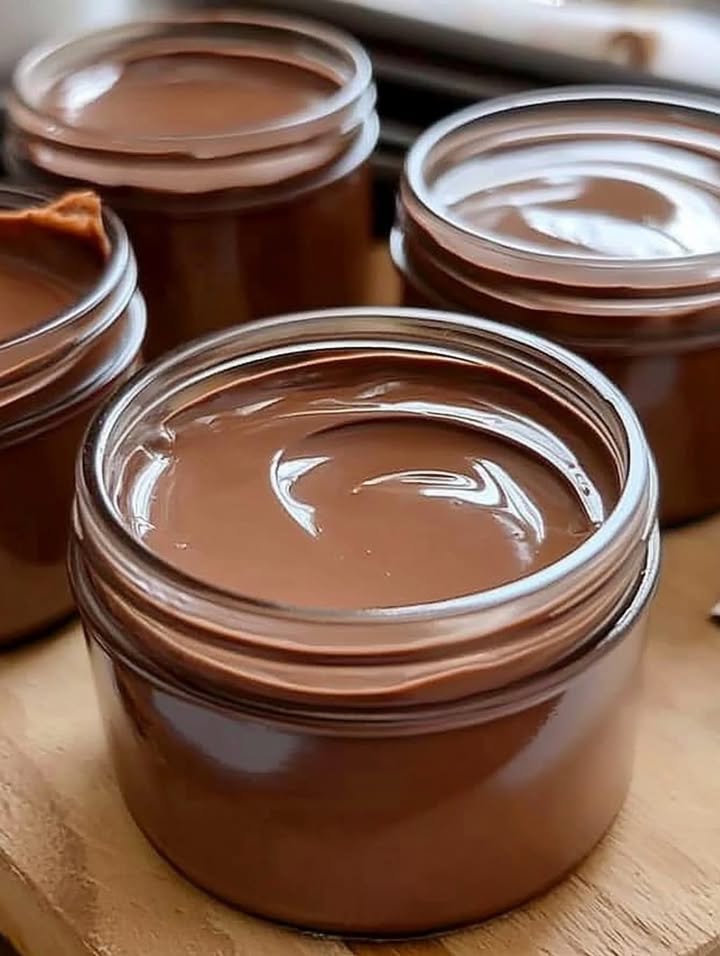
Crème au Chocolat Maison Céleste : Votre Nouveau Dessert Préféré
Vous connaissez ce moment où des amis passent à l’improviste, ou où votre famille annonce soudainement une envie sérieuse de chocolat ? Ma réserve de nourriture paniquait dans ces situations. Puis j’ai découvert cette magique Crème Chocolat Maison. Elle a sauvé ma réputation d’hôte plus de fois que je ne peux compter ! C’est le dessert soyeux, onirique et incroyablement facile qui donne l’impression d’avoir passé la journée en cuisine. Le meilleur ? Il coûte quelques centimes à réaliser et utilise des ingrédients de base que vous avez sûrement déjà. Faisons un peu de magie !
Une Petite Histoire Derrière Cette Recette de Crème au Chocolat
Cette recette, c’est comme un câlin chaleureux qui vient tout droit de la cuisine de ma grand-mère. Ce n’est pas une création sophistiquée de pâtisserie française, mais un vrai basique fait maison. Je me souviens d’elle la fouettant à la main, le riche arôme de chocolat emplissant son petit appartement. Elle l’appelait son dessert « pour faire la paix » — parfait pour réconcilier les querelles ou célébrer les petites victoires. Ma version est une adaptation légèrement simplifiée et infaillible de la sienne. Elle prouve que les recettes les plus aimées ne sont pas celles qui sont complexes, mais celles qui apportent de la joie et du réconfort à table. C’est un classique intemporel qui mérite sa place dans le répertoire de tout cuisinier à la maison.
Pourquoi Vous Allez Absolument Adorer Cette Crème au Chocolat Maison
Si vous avez besoin de raisons pour essayer cette recette de crème au chocolat ce soir, j’en ai toute une liste ! D’abord, elle est incroyablement simple. Pas de technique compliquée, pas de bain-marie, juste une casserole et un peu de patience. Ensuite, elle est très gentille avec votre portefeuille. Une tablette de chocolat noir, du lait, et quelques basiques du placard, c’est tout. Le goût ? Un pur bonheur chocolaté intense, avec une texture veloutée qui fait honte aux pots du commerce. Elle est aussi merveilleusement polyvalente — servez-la dans des verres chic pour un dîner ou directement du bocal à la cuillère après une longue journée.
Les Occasions Parfaites pour Ce Délicieux Dessert
Cette crème chocolat est votre arme secrète pour tant de moments. C’est le dessert à préparer à l’avance idéal pour les dîners, pour impressionner les invités sans le stress de dernière minute. Mettez-la dans de petits pots pour un cadeau maison attentionné. C’est un succès garanti pour les réunions de famille, elle plaît aux enfants comme aux adultes. J’aime aussi l’utiliser comme petit plaisir de semaine — car pourquoi les week-ends auraient-ils tout le plaisir ? Elle transforme un mardi ordinaire en quelque chose de spécial.
Ce Dont Vous Avez Besoin : La Liste des Ingrédients
Rassemblez ces ingrédients simples. La qualité compte le plus pour le chocolat, alors utilisez-en un que vous aimez manger tel quel.
- 1 litre de lait demi-écrémé 🥛
- 50 g de chocolat noir (au moins 70% de cacao pour un maximum de goût)
- 40 g de sucre cristallisé
- 1 œuf 🥚
- 2 cuillères à soupe de fécule de maïs (maïzena)
Options de Substitutions Astucieuses
Pas de panique si il vous manque quelque chose ! Voici des échanges faciles :
- Lait : Le lait entier la rend plus riche, tandis qu’un lait végétal comme l’amande ou l’avoine fonctionne bien (la saveur variera légèrement).
- Chocolat Noir : Utilisez du chocolat mi-sucré ou même du chocolat au lait pour une crème plus douce et sucrée. Ajustez le sucre à votre goût.
- Sucre : Le sucre blanc granulé, le sucre de canne ou même le sucre de coco conviennent.
- Fécule de maïs : Une quantité égale de farine ordinaire ou de fécule de pomme de terre peut être utilisée comme épaississant.
C’est Parti ! Votre Guide Pas-à-Pas
Suivez ces étapes pour une crème au chocolat parfaite et sans grumeaux, à chaque fois.
Étape 1 : Réchauffer le Lait et Faire Fondre le Chocolat
Versez le lait dans une casserole à fond épais de taille moyenne. Cassez ou hachez le chocolat noir en petits morceaux et ajoutez-les au lait. Placez la casserole sur feu doux. Nous voulons réchauffer le lait doucement et faire fondre le chocolat lentement. Remuez de temps en temps avec une cuillère en bois. Vous verrez le chocolat commencer à tourbillonner et à fondre, colorant le lait d’un beau brun chaud. La clé ici est la patience — ne laissez pas bouillir. Astuce de pro : Hacher le chocolat finement aide à une fonte uniforme et rapide, évitant qu’il ne brûle.
Étape 2 : Préparer la Base Épaississante
Pendant que le lait chauffe, prenez un saladier moyen. Cassez l’œuf dedans et ajoutez le sucre et la fécule de maïs. Maintenant, attrapez un fouet et au travail ! Fouettez vigoureusement jusqu’à ce que le mélange se transforme. Il doit devenir pâle, légèrement mousseux et parfaitement lisse, sans le moindre grumeau de fécle. Cette étape est cruciale pour cette texture soyeuse signature. Voyez cela comme donner une base solide à votre crème. Vous voulez obtenir une pâte homogène, couleur crème jaune, prête à accueillir le lait chocolaté chaud.
Étape 3 : La Danse de la Température
C’est l’étape la plus importante pour éviter des œufs brouillés dans votre dessert ! À ce stade, votre lait chocolaté doit être chaud mais pas bouillant. Retirez-le du feu. Prenez votre fouet dans une main et versez lentement, en un mince filet régulier, environ un tiers du lait chaud dans le mélange aux œufs. Fouettez constamment et énergiquement. Ce processus, appelé « délayer » ou « tempérer », élève doucement la température des œufs sans les cuire. Une fois incorporé, reversez doucement le mélange aux œufs maintenant tiède dans la casserole avec le reste du lait, en fouettant tout du long.
Étape 4 : Cuisson jusqu’à l’Épaisseur Parfaite
Remettez la casserole sur feu moyen. Passez à une spatule ou une cuillère en bois et remuez constamment, en veillant à racler le fond et les coins de la casserole. En quelques minutes, vous sentirez le mélange commencer à épaissir. Il nappera le dos de votre cuillère. Une fois qu’il atteint une consistance épaisse, type crème anglaise dense, et qu’il commence juste à bouillir, réduisez le feu à doux. Laissez cuire doucement pendant exactement 3 minutes de plus, en remuant sans interruption. Ce temps de cuisson assure que la fécule est pleinement activée et que tout goût cru de farine a disparu.
Étape 5 : La Repos au Froid pour la Perfection
Versez immédiatement la crème au chocolat chaude dans vos contenants de service — de jolis verres, des ramequins ou de simples pots font tous l’affaire. Pour éviter qu’une peau ne se forme, vous pouvez presser un morceau de film alimentaire directement à la surface de chaque portion. Laissez-les refroidir à température ambiante sur votre plan de travail. Ensuite, transférez-les au réfrigérateur. C’est là que la magie de la patience opère ! Pour une texture parfaite, où la cuillère tient debout, vous devez attendre un bon 24 heures. Ça en vaut la peine, je vous le promets ! Astuce du chef : Pour un fini ultra-lisse, vous pouvez passer la crème à travers un tamis fin en la versant dans les pots.
Répartition du Temps
Prévoyez à l’avance pour la meilleure version de ce dessert.
- Temps de préparation : 10 minutes
- Temps de cuisson : 10 minutes
- Temps de refroidissement : 1-2 heures
- Temps de repos au frais (essentiel) : 24 heures
- Temps total (actif minimal) : 20 minutes + repos
- Nombre de parts : 4-6 portions généreuses
Le Secret du Chef pour un Brillant Ultime
Vous voulez un fini brillant et professionnel ? Après la cuisson, fouettez une petite cuillère à soupe de beurre froid coupé en dés dans la crème chaude jusqu’à ce qu’il fonde complètement. Cela ajoute non seulement une couche de richesse, mais donne également à la surface une belle brillance lustrée simplement irrésistible.
Un Fait Amusant sur le Chocolat
Saviez-vous que le type de chocolat noir que vous utilisez change radicalement le profil de saveur ? Un chocolat à 70% de cacao donnera une note profonde et légèrement amère, tandis qu’un 85% sera intensément riche. Il vaut la peine d’expérimenter avec différentes marques et pourcentages pour trouver le préféré de votre famille. Pour des informations fiables sur la composition nutritionnelle de vos ingrédients, vous pouvez consulter les tables détaillées de composition nutritionnelle de sources fiables.
Matériel Nécessaire
Pas besoin d’équipement spécial !
- Une casserole à fond épais de taille moyenne
- Un fouet solide
- Un saladier
- Une spatule ou une cuillère en bois
- Tasses/culllères à mesurer
- 4-6 ramequins, verres ou pots pour le service
Comment Conserver Votre Crème au Chocolat
Ce dessert est une excellente option à préparer à l’avance. Une fois refroidie et couverte, elle se conservera parfaitement au réfrigérateur jusqu’à 3 à 4 jours. Assurez-vous que vos contenants ont des couvercles hermétiques ou sont bien couverts de film alimentaire. Cela l’empêche d’absorber d’autres odeurs du frigo et maintient sa texture crémeuse.
Je ne recommande pas de congeler cette crème chocolat maison. La texture peut devenir granuleuse et se séparer à la décongélation à cause des composants laitiers et de l’amidon. Elle est meilleure fraîche du réfrigérateur, au pic de son onctuosité.
Pour le service, sortez les pots environ 10 minutes avant de prévoir de les manger. Cela permet à la fraîcheur intense de s’adoucir légèrement, laissant la saveur chocolatée pleine et ronde s’exprimer pleinement en bouche.
Mes Meilleurs Conseils & Astuces
- Remuer constamment est non-négociable pendant la cuisson de la crème. Cela empêche les grumeaux et assure une distribution de chaleur uniforme pour qu’elle n’accroche pas au fond.
- Utilisez une casserole à fond épais. Elle distribue la chaleur doucement et uniformément, réduisant le risque de brûler votre précieuse crème.
- Si vous êtes nerveux.se pour le tempérage des œufs, vous pouvez utiliser une louche pour ajouter le lait chaud très lentement tout en fouettant comme si votre dessert en dépendait (ce qui est le cas !).
- Pour une touche festive, garnissez les portions d’une cuillère de crème chantilly, de quelques copeaux de chocolat, ou d’une pincée de fleur de sel.
Idées de Présentation pour Impressionner
Habillez-la ! Servez-la dans des tasses à thé vintage pour un look chic. Superposez-la dans un verre avec des biscuits émiettés pour un parfait rapide. Pour un dîner, garnissez d’une feuille d’or ou d’une baie fraîche. Les enfants l’adorent avec des vermicelles colorés. Une feuille de menthe ajoute une touche fraîche et élégante.
6 Délicieuses Variations à Essayer
Une fois que vous maîtrisez cette version classique, le monde est votre huître chocolatée ! Voici six façons de jouer avec votre recette de crème au chocolat maison :
- Infusion au Zeste d’Orange : Ajoutez le zeste d’une orange au lait pendant qu’il chauffe. Retirez-le avant d’ajouter le chocolat pour une touche lumineuse et citronnée.
- Folie Moka : Dissolvez une cuillère à soupe de café instantané dans le lait chaud pour une saveur café-chocolat profonde.
- Crème Chocolat Menthe : Faites infuser une poignée de feuilles de menthe fraîche dans le lait chaud pendant 15 minutes, puis filtrez et poursuivez. C’est incroyablement rafraîchissant.
- Chocolat Épicé : Ajoutez un bâton de cannelle, une étoile de badiane ou une pincée de piment en poudre au lait pendant le chauffage pour un profil chaud et complexe.
- Tourbillon Praliné Noisette : Une fois dans les pots, incorporez délicatement une cuillerée de pâte pralinée du commerce ou de purée d’oléagineux maison.
- Verrines Dessert à Étages : Utilisez-la comme composant dans des desserts plus élaborés. Essayez de la superposer avec le croustillant de notre Cheesecake Fraise Croustillant, ou avec les miettes de nos somptueuses Barres Brownies Cheesecake Caramel.
Si vous avez envie d’autres desserts réconfortants, vous devez essayer la douceur classique de nos Pommes Frites Sudistes Irrésistibles. Et pour une autre pâtisserie intemporelle, notre Délicieux Gâteau Marbré fait toujours l’unanimité. Vous trouverez plus d’inspiration dans notre collection complète de gâteaux et pâtisseries.
Erreurs Courantes à Éviter
Erreur 1 : Brusquer le Tempérage
Verser le lait chaud dans les œufs trop vite est la cause numéro un d’une texture granuleuse, avec des morceaux d’œufs cuits, dans votre crème. Le choc thermique cuit instantanément les protéines de l’œuf en petits caillots. Pour éviter cela, vous devez ajouter le liquide chaud en un filet très lent et fin tout en fouettant vigoureusement. Cette introduction graduelle élève doucement la température de l’œuf. Si vous êtes nerveux.se, vous pouvez même placer le saladier avec les œufs sur un torchon humide pour le stabiliser pendant que vous fouettez d’une main et versez de l’autre.
Erreur 2 : Ne Pas Cuire Assez Longtemps Après l’Épaississement
Quand la crème nappe la cuillère pour la première fois, il est tentant de retirer immédiatement du feu. Cependant, la fécule de maïs a besoin d’une minute ou deux d’ébullition douce pour perdre son goût cru et crayeux et atteindre son plein pouvoir épaississant. Si vous arrêtez trop tôt, votre crème risquera d’avoir un léger goût d’amidon cru et de redevenir plus liquide en refroidissant. La règle des « cuire 2-3 minutes après la première ébullition » est là pour une raison scientifique. Respectez-la pour une texture en bouche parfaite.
Erreur 3 : Zapper le Repos Complet de 24 Heures au Froid
L’impatience est l’ennemie de la texture parfaite ! Après 4 heures au frigo, la crème sera prise, mais elle sera encore un peu molle, comme un pudding. Le repos complet de 24 heures permet aux molécules d’amidon de se fixer et se réorganiser pleinement, aboutissant à cette texture ferme, tranchable et incroyablement crémeuse qui définit un bon pot de crème. La planification est clé. Préparer ce dessert deux jours avant d’en avoir besoin est en fait la stratégie idéale.
Erreur 4 : Utiliser un Feu Trop Vif
Le chocolat et les produits laitiers sont tous deux sensibles aux hautes températures. Augmenter le feu pour accélérer les choses conduira presque certainement à un fond brûlé ou à une peau qui se forme à la surface de votre lait avant même que le chocolat ne fonde. Cela peut aussi faire cailler instantanément les œufs au contact. Doux et lent est le mantra pour cette recette. Une chaleur douce assure une fonte homogène, une cuisson uniforme, et protège les saveurs délicates de vos ingrédients.
Questions Fréquemment Posées
Puis-je utiliser de la poudre de cacao à la place du chocolat ?
Oui, vous pouvez, mais la méthode change légèrement. Utilisez environ 25g de cacao non sucré en poudre. Mélangez-le soigneusement avec le sucre et la fécule dans le saladier avec l’œuf pour former une pâte. Cela évite les grumeaux. Poursuivez ensuite le tempérage comme d’habitude. La texture sera légèrement moins riche qu’avec du chocolat solide, mais toujours délicieuse. Vous voudrez peut-être ajouter une noix de beurre à la fin pour plus d’onctuosité.
Ma crème est devenue grumeleuse. Puis-je la rattraper ?
Ne désespérez pas ! Quelques petits grumeaux peuvent souvent être sauvés. Dès que vous remarquez des grumeaux, retirez immédiatement la casserole du feu et versez la crème à travers un tamis fin dans un saladier propre. Utilisez une spatule pour la faire passer. Cela attrapera tous les petits morceaux d’œuf cuits. Si ce n’est toujours pas parfaitement lisse, vous pouvez utiliser un mixeur plongeant pour la mixer quelques secondes. Remettez-la dans une casserole propre pour terminer le temps de cuisson si nécessaire.
Est-il possible de réaliser cette recette sans œufs ?
Absolument. Pour une version sans œufs, augmentez la fécule de maïs à 3 cuillères à soupe. Suivez le même processus en la mélangeant au sucre et un petit filet de lait froid pour faire un mélange homogène. Fouettez ce mélange dans le lait chocolaté chaud et faites cuire jusqu’à épaississement. La texture sera légèrement moins crémeuse et plus gélatineuse, mais toujours très bonne. Une pincée de sel aidera à rehausser la saveur.
Pourquoi une peau s’est-elle formée sur ma crème ?
Une peau se forme à cause de l’exposition à l’air, ce qui fait sécher les protéines en surface. C’est parfaitement comestible, mais pas la texture la plus appétissante. Pour l’empêcher, appuyez un morceau de film alimentaire, de papier sulfurisé ou même de papier cuisson beurré directement sur la surface de la crème chaude avant qu’elle ne refroidisse. Assurez-vous qu’il soit en contact complet et sans bulles d’air. Cela crée une barrière et garde le dessus de votre crème parfaitement lisse.
Puis-je doubler cette recette ?
Vous pouvez, mais avec précaution. Doubler signifie que vous aurez un plus grand volume de mélange d’œufs froid à tempérer, ce qui nécessite encore plus de soin. Utilisez une casserole plus grande et ajoutez le lait chaud encore plus lentement pour assurer un chauffage uniforme. Le temps de cuisson pourrait aussi augmenter de quelques minutes. Remuer constamment est encore plus important pour éviter que le fond ne brûle dans le pot plus lourd.
Quel est le meilleur chocolat à utiliser ?
Utilisez une bonne tablette de chocolat noir que vous aimez manger nature, avec un pourcentage de cacao entre 60% et 70% pour une saveur équilibrée. Du chocolat de pâtisserie convient, mais un chocolat de couverture ou de dégustation donnera un goût et un brillant supérieurs. Évitez si possible les pépites de chocolat, car elles contiennent des stabilisants qui peuvent affecter la fluidité de la fonte. Cassez une tablette en petits morceaux réguliers pour une fonte rapide et uniforme.
Comment savoir quand la crème est correctement cuite ?
Il y a deux tests fiables. Premièrement, le test « napper la cuillère » : Trempez une cuillère en bois dans la crème et passez votre doigt sur le dos. La trace doit rester nette sans que la crème ne coule pour la combler. Deuxièmement, recherchez de grosses bulles lentes qui percent la surface — cela indique qu’elle a atteint un léger bouillonnement. Une fois que vous voyez cela, démarrez votre minuteur de 2-3 minutes sur feu doux. Le mélange épaissira aussi visiblement et deviendra moins liquide pendant que vous remuez.
Puis-je parfumer cette crème avec de l’alcool ?
Oui, et c’est délicieux ! Ajoutez 1 à 2 cuillères à soupe de votre liqueur préférée (comme du Grand Marnier, du rhum, de l’amaretto ou du bourbon) après avoir fini de cuire la crème et l’avoir retirée du feu. Mélangez bien. Ajouter de l’alcool pendant la cuisson peut le faire s’évaporer ou parfois affecter le processus d’épaississement. L’alcool donnera une merveilleuse profondeur de saveur à votre recette de crème au chocolat.
Est-ce la même chose qu’un chocolat pudding ?
Ce sont des cousins proches ! La traditionnelle crème dessert française comme celle-ci est typiquement plus riche et prend une consistance plus ferme grâce à l’œuf et à la méthode de cuisson spécifique, visant une texture lisse, type crème anglaise épaisse. Le pudding américain repose souvent davantage sur l’amidon pour l’épaississement et peut être plus moelleux. Les deux sont délicieux, mais cette version maison a une sensation en bouche plus sophistiquée et veloutée qui la distingue de la plupart des préparations en poudre du commerce.
Ma crème est trop liquide après le repos au frais. Que s’est-il passé ?
Cela pointe généralement vers l’une de ces trois problématiques : un temps de cuisson insuffisant après l’épaississement (l’amidon n’a pas été pleinement activé), une mesure imprécise de la fécule, ou un temps de repos au frais trop court. Malheureusement, il est difficile de la rattraper une fois refroidie. Vous pouvez la déguster comme une délicieuse sauce chocolat coulante sur de la glace ou un gâteau ! Pour la prochaine fois, assurez-vous de cuire pendant la durée complète après l’ébullition et mesurez votre épaississant avec soin.
Et voilà ! Votre guide pour réaliser la Crème Chocolat Maison la plus divine et infaillible. Cette recette est plus que de simples instructions ; c’est une invitation à créer un petit moment de bonheur. C’est le plaisir de faire quelque chose de ses mains, l’anticipation pendant qu’elle refroidit, et les sourires partagés quand vous apportez ces petits pots de paradis chocolaté. Alors allez-y, rassemblez vos ingrédients simples, et régalez-vous ainsi que vos proches. Faites-moi confiance, une fois que ce sera devenu votre dessert chouchou, vous ne regarderez plus en arrière. Bonne cuisine !
Equipment
- Casserole moyenne à fond épais
- Fouet robuste
- Bol à mélanger
- Spatule ou cuillère en bois
- Ramequins ou bocaux
Ingrédients
- 1000 ml lait demi-écrémé
- 50 g chocolat noir au moins 70% de cacao
- 40 g sucre cristallisé
- 1 œuf
- 30 g fécule de maïs
Instructions
- Versez le lait dans une casserole moyenne à fond épais et ajoutez le chocolat noir coupé en petits morceaux.
- Chauffez à feu doux sans porter à ébullition, en remuant de temps en temps.
- Pendant que le lait chauffe, cassez l'œuf dans un bol, puis ajoutez le sucre et la fécule de maïs. Fouettez jusqu'à obtenir un mélange lisse et mousseux.
- Une fois le lait chaud, versez-en un tiers dans le mélange d'œuf en fouettant constamment pour éviter de cuire l'œuf.
- Reversez ensuite le mélange d'œuf dans la casserole avec le lait chaud, tout en fouettant.
- Remettez la casserole sur feu moyen en remuant continuellement jusqu'à ce que le mélange épaississe.
- Une fois épaissi, laissez cuire à feu doux pendant 3 minutes en continuant de remuer.
- Versez la crème chaude dans des ramequins ou des bocaux et laissez refroidir à température ambiante.
- Réfrigérez les contenants pendant 24 heures pour obtenir la texture parfaite.
Notes
Nutrition

Je suis Céline, une véritable passionnée d’ustensiles et de matériel de cuisine ! J’adore tester, comparer et découvrir les meilleurs équipements pour rendre la cuisine plus efficace et agréable. Que ce soit un bon couteau, un robot performant ou une poêle incontournable, je suis toujours à la recherche des outils qui feront la différence. Mon but est de vous guider dans vos choix pour que vous ayez le bon matériel adapté à vos besoins.