
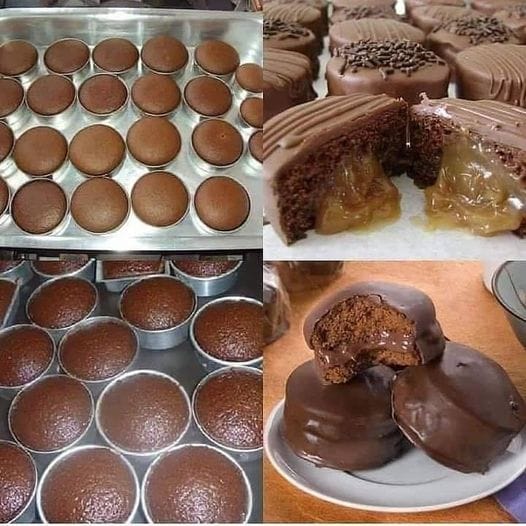
Gingerbread au Miel : Un câlin sous forme de dessert
Il y a quelque chose de magique dans l’odeur d’un gingerbread chaud qui embaume la maison. Ce n’est pas seulement de la pâtisserie ; c’est un événement. Ça me rappelle la cuisine douillette de ma grand-mère, où une simple douceur pouvait transformer un après-midi pluvieux en un souvenir précieux. Aujourd’hui, je partage ma recette ultime du Gingerbread au Miel – une version moelleuse, sucrée, et trempée dans un luxueux chocolat au lait. C’est une recette infaillible qui n’a jamais manqué de faire sourire ma famille à table.
Un voyage sucré : L’histoire du pain d’épices au miel
Si beaucoup pensent aux biscuits épicés et durs de Noël, le gingerbread a une histoire bien plus riche et variée. Ce gingerbread tendre, semblable à un gâteau et connu dans de nombreuses cultures, est un symbole de fête depuis des siècles. L’utilisation du miel comme principal édulcorant remonte à l’Antiquité, bien avant que le sucre raffiné ne soit commun. Ma version est un clin d’œil à cette tradition, utilisant le miel pour sa saveur profonde et son moelleux, tandis que le trempage au chocolat est ma touche moderne pour une pointe d’ indulgence. C’est un beau mélange de charme d’antan et de délice contemporain.
Pourquoi vous allez adorer cette recette de gingerbread
Ce n’est pas un gâteau ordinaire. D’abord, il est incroyablement simple à réaliser – pas besoin de batteur, juste vos mains et un saladier ! Ensuite, l’arôme de la cannelle et du miel chaud qui cuisent ensemble est une pure thérapie. Enfin, sa versatilité est un rêve. Dégustez-le nature au petit-déjeuner, fourré pour un goûter, ou trempé dans le chocolat pour un dessert décadent. C’est une merveille en un seul fournée qui s’adapte à toutes vos envies.
Les occasions parfaites pour votre gingerbread maison
Ce gingerbread est votre arme secrète pour rendre les moments spéciaux. Il est parfait pour un brunch douillet entre amis le week-end, glissé dans une lunchbox pour une surprise sucrée, ou servi comme un dessert réconfortant après un dîner en famille. Pendant les fêtes, un plateau de ces beautés enrobées de chocolat donne instantanément une ambiance festive à votre maison. Honnêtement, n’importe quel jour est un bon jour pour un gingerbread au miel.
Rassemblez vos ingrédients
Rassemblons notre équipe ! Utiliser des ingrédients simples et de qualité fait toute la différence.
- 4 tasses de farine de blé
- 2 tasses de sucre
- 1/2 cuillère à café de cannelle en poudre
- 1 tasse et demie de lait tiède
- 1 tasse de miel
- 1 tablette de chocolat au lait (pour le trempage)
- 1/2 tasse de poudre de cacao (dans la pâte)
- 1 cuillère à soupe de bicarbonate de soude (baking soda)
Substitutions astucieuses
Il vous manque un ingrédient ? Pas de panique ! Voici quelques échanges faciles :
- Miel : Vous pouvez utiliser la même quantité de sirop d’érable ou de sirop de maïs foncé pour une texture moelleuse similaire.
- Lait : Toute boisson végétale comme le lait d’amande ou d’avoine fonctionne très bien.
- Poudre de cacao : La poudre de cacao non sucrée est un substitut parfait.
- Garniture : Au lieu du dulce de leche du commerce, essayez une crème vanille maison ou une cuillerée de confiture de fruits.
Créez votre chef-d’œuvre de gingerbread : étape par étape
Étape 1 : L’art du tamisage
Commencez par préchauffer votre four à 200°C. Maintenant, prenez un grand saladier accueillant. Tamisez ensemble la farine, le sucre, la cannelle, la poudre de cacao et le bicarbonate de soude. Regardez les poudres fines cascader, créant un mélange beau et uniforme. Tamiser est essentiel – cela aère les ingrédients secs, évite les grumeaux et promet un pain au miel plus léger et plus tendre. C’est un geste simple qui a un charme merveilleusement traditionnel.
Étape 2 : La caresse tiède
Faites un puits au centre de votre montagne de farine duveteuse. Versez-y le lait tiède et cette glorieuse tasse de miel. La chaleur du lait aide le miel à couler facilement et commence à activer le bicarbonate. Maintenant, retroussez vos manches ! C’est la partie amusante. Utilisez vos mains pour mélanger le tout. Sentez la pâte prendre vie – elle sera douce, légèrement collante et incroyablement aromatique. Astuce de pro : Si la pâte semble trop sèche, ajoutez une toute petite goutte de lait tiède en plus. Faites confiance à vos mains ; c’est votre meilleur outil.
Étape 3 : Façonnage et cuisson avec amour
Beurrez généreusement vos moules à gingerbread ou un moule à gâteau standard avec du beurre ou de l’huile. Répartissez la pâte uniformément entre eux. Lorsqu’ils entreront dans le four préchauffé, votre cuisine commencera à se remplir du parfum le plus réconfortant qui soit. Faites cuire environ 20 minutes. Ils seront prêts lorsque le dessus sera souple au toucher et qu’un cure-dent inséré au centre en ressorte propre. L’attente est toujours la partie la plus dure !
Étape 4 : Le grand final : garnissage et trempage
Laissez les gingerbreads refroidir complètement avant de les démouler. Une fois froids, vous pouvez les couper horizontalement et les garnir avec votre choix de beijinho, de brigadeiro mou ou de dulce de leche. Maintenant, place à la magie : cassez la tablette de chocolat au lait en morceaux et faites-la fondre doucement au micro-ondes par impulsions de 30 secondes en remuant entre chaque, ou au bain-marie. Trempez le dessus de chaque gingerbread dans le chocolat soyeux, laissez l’excédent s’égoutter, et posez-les sur une feuille de papier sulfurisé pour qu’ils durcissent. Cette coque de chocolat brillante et craquelante est une pure joie. Astuce du chef : Pour une finition pro, vous pouvez saupoudrer un tout petit peu de cannelle ou de noix concassées sur le chocolat encore humide.
Votre chronologie pour le gingerbread
- Temps de préparation : 15 minutes
- Temps de cuisson : 20 minutes
- Temps de refroidissement & trempage : 45 minutes
- Temps total : Environ 1 heure 20 minutes
Le secret du chef pour une saveur ultime
Laissez reposer la pâte 10 minutes après mélange et avant cuisson. Cette petite pause permet à la farine d’absorber complètement les liquides et au bicarbonate de commencer son travail, ce qui donne un gingerbread incroyablement moelleux et à la texture uniforme. C’est une étape minuscule aux grands bénéfices !
Un fait sucré sur le miel
Saviez-vous que le miel est un humectant naturel ? Cela signifie qu’il attire et retient l’humidité. C’est le vrai secret qui fait que ce gingerbread au miel reste merveilleusement moelleux pendant des jours, contrairement aux gâteaux faits uniquement avec du sucre. C’est l’ingrédient de pâtisserie parfait de la nature ! Pour en savoir plus sur les qualités des ingrédients, des ressources comme la base de données nutritionnelle Ciqual peuvent être fascinantes à explorer.
Les outils dont vous aurez besoin
- Un grand saladier
- Un tamis ou une passoire fine
- Des moules à gingerbread ou un moule à gâteau
- Du papier sulfurisé ou du papier aluminium
- Un petit bol pour faire fondre le chocolat (allant au micro-ondes ou pour bain-marie)
Conserver votre gingerbread frais et délicieux
Une fois vos gingerbreads complètement refroidis et le chocolat durci, conservez-les dans un contenant hermétique à température ambiante. Placez une feuille de papier sulfurisé entre les couches si vous les avez empilés pour éviter qu’ils ne collent. Ils resteront parfaitement moelleux et délicieux jusqu’à 4 jours de cette façon.
Si vous les avez garnis d’une crème à base de laitier, il est préférable de conserver les gingerbreads garnis au réfrigérateur. Laissez-les revenir à température ambiante environ 30 minutes avant de servir pour une meilleure texture et saveur. Le froid peut raffermir un peu le gâteau.
Pour une conservation plus longue, vous pouvez congeler très efficacement les gingerbreads non garnis et non trempés. Enveloppez-les bien dans du film alimentaire, puis dans du papier aluminium. Ils peuvent être congelés jusqu’à 2 mois. Décongelez-les une nuit à température ambiante quand vous voulez en profiter.
Mes conseils suprêmes pour un gingerbread réussi
- Utilisez du vrai miel pour la meilleure saveur. La qualité de votre miel fait vraiment la différence.
- Assurez-vous que votre lait est juste tiède, pas chaud, pour éviter de « cuire » les œufs si vous en utilisiez ou d’affecter négativement le bicarbonate.
- Ne travaillez pas trop la pâte une fois les ingrédients secs et humides combinés. Mélangez juste jusqu’à ce qu’il ne reste plus de poches de farine sèche.
- Si votre glaçage au chocolat est trop épais, ajoutez un soupçon d’huile de coco ou d’huile végétale pour l’affiner et obtenir un enrobage parfait.
Présenter votre gingerbread avec panache
- Empilez-les sur un beau pied de gâteau pour un look rustique et invitant.
- Versez en filet le chocolat fondu restant de manière artistique sur les gingerbreads dressés.
- Servez avec une quenelle de crème fouettée légèrement sucrée ou une boule de glace à la vanille à côté.
- Pour une fête, placez chaque petit gingerbread dans une jolie coupelle en papier.
Découvrez d’autres idées de desserts délicieux
Si vous aimez préparer des gourmandises qui épatent la galerie, vous allez adorer nos autres recettes. Par exemple, si vous êtes fan de cheesecake, vous devez absolument essayer cette recette de cheesecake ultra crémeux qui est vraiment le rêve de toutes les dernières bouchées. Besoin de quelque chose de croquant aux noix ? Ces délicieuses barres aux noix de pécan font à coup sûr un carton. Pour une touche fruitée, ce cheesecake kiwi doux et rafraîchissant est une pure joie. Et quand l’automne arrive, rien ne vaut les saveurs réconfortantes de ce cheesecake pommes-caramel.
Erreurs courantes à éviter pour un gingerbread parfait
Erreur 1 : Utiliser du lait froid
Verser du lait froid dans la pâte peut faire figer le miel et rendre le mélange difficile. Cela n’aide pas non plus à activer le bicarbonate de manière optimale. Toujours tiédir votre lait légèrement – juste jusqu’à ce qu’il soit agréablement chaud au doigt, pas brûlant. Cette simple étape assure une pâte lisse, bien combinée, qui cuira parfaitement.
Erreur 2 : Trop cuire le gingerbread
A cause du miel et du chocolat, ce gingerbread peut passer de parfaitement moelleux à sec étonnamment vite. Trop le cuire est une erreur fréquente. Réglez un minuteur et commencez à vérifier à partir de 18 minutes. Le dessus doit être juste ferme et une brochette doit en ressortir avec quelques miettes humides, pas complètement propre. Souvenez-vous, il continuera à cuire un peu en refroidissant dans le moule.
Erreur 3 : Tremper avant un refroidissement complet
L’excitation d’arriver à l’étape du trempage au chocolat est réelle ! Mais si vos gingerbreads sont ne serait-ce que légèrement tièdes, le chocolat fondu va fondre davantage, devenir désordonné et ne pas durcir correctement. Il pourrait même se décoller. La patience est clé. Laissez-les refroidir sur une grille jusqu’à ce qu’ils soient vraiment à température ambiante. Votre coque de chocolat parfaite en dépend.
Erreur 4 : Ne pas assez graisser les moules
Il n’y a rien de plus triste qu’un magnifique gingerbread cuit qui se déchire parce qu’il est collé au moule. Cette pâte est tendre et peut coller, surtout dans les moules à motifs. Soyez généreux avec votre beurre, huile ou spray de cuisson. Faites-le pénétrer dans tous les recoins. Pour une sécurité supplémentaire, vous pouvez saupoudrer légèrement le moule graissé avec un peu de farine.
Réponses à vos questions sur le gingerbread
Puis-je faire ce gingerbread sans la poudre de cacao dans la pâte ?
Absolument ! Omission faite de la poudre de cacao, vous obtiendrez un magnifique gingerbread miel doré et classique. La saveur sera plus concentrée sur le miel et la cannelle, ce qui est tout aussi délicieux. Vous pourriez vouloir réduire le sucre d’un quart de tasse si vous préférez un gâteau moins sucré, car la poudre de cacao ajoute une légère amertume qui équilibre le sucre.
Pourquoi mélange-t-on à la main et pas au batteur ?
Cette recette est conçue pour être douce. Un batteur peut trop développer le gluten de la farine très rapidement, conduisant à un gingerbread dur et dense au lieu d’un pain moelleux et aérien. Mélanger à la main vous donne un contrôle total. Vous sentez la texture de la pâte et vous arrêtez au moment où elle s’agglomère, garantissant une mie tendre à chaque fois.
Mon gingerbread n’a pas beaucoup gonflé. Qu’est-ce qui n’a pas fonctionné ?
L’agent levant principal ici est le bicarbonate de soude. Deux choses sont cruciales pour qu’il fonctionne : premièrement, il doit être frais (vérifiez la date d’expiration). Deuxièmement, il a besoin d’un composant acide pour réagir. Dans cette recette, le miel et la poudre de cacao fournissent cette acidité. Si votre miel est très transformé ou votre bicarbonate vieux, la réaction peut être faible. Utilisez toujours des ingrédients frais pour une meilleure levée.
Puis-je utiliser du chocolat noir au lieu du chocolat au lait pour le trempage ?
Bien sûr ! Le chocolat noir est une alternative fantastique, légèrement moins sucrée, qui s’associe merveilleusement bien avec le pain au miel sucré. Il crée un profil de saveur plus sophistiqué. Sachez simplement que le chocolat noir durcit plus et peut être plus sujet à la fissuration si le gingerbread n’est pas complètement froid. Les mêmes règles de fonte s’appliquent – doucement et lentement.
Combien de temps à l’avance puis-je préparer ces gingerbreads ?
Vous pouvez cuire les gâteaux gingerbread jusqu’à deux jours à l’avance. Conservez-les non garnis et non trempés, bien emballés à température ambiante. Le garnissage et le trempage sont mieux faits le jour même où vous prévoyez de les servir pour une fraîcheur et une texture optimales. Les gingerbreads assemblés sont meilleurs dégustés dans les 24 heures, surtout s’ils sont garnis d’une crème.
Quelle est la meilleure façon de faire fondre le chocolat pour le trempage ?
La méthode la plus douce est le bain-marie : placez le chocolat haché dans un bol résistant à la chaleur sur une casserole d’eau frémissante (assurez-vous que le bol ne touche pas l’eau). Remuez jusqu’à fonte. Pour plus de rapidité, le micro-ondes fonctionne bien : utilisez une puissance à 50% par impulsions de 30 secondes, en remuant bien entre chaque. Ne faites jamais fondre le chocolat à pleine puissance, car il brûlerait et deviendrait granuleux.
Puis-je congeler le gingerbread trempé au chocolat ?
Congeler des produits trempés au chocolat peut être délicat, car le chocolat peut développer un « bloom » blanchâtre (séparation des graisses) lors de la décongélation. C’est toujours comestible mais moins joli. Pour de meilleurs résultats, congelez les gingerbreads cuits nature. Décongelez, puis trempez-les dans du chocolat fraîchement fondu le jour où vous voulez les servir pour une finition brillante parfaite.
Existe-t-il une alternative non laitière au lait dans la recette ?
Oui, toute boisson végétale non sucrée fonctionne très bien. Le lait d’amande, d’avoine ou de soja sont tous d’excellents choix. Faites-le simplement tiédir comme vous le feriez avec du lait ordinaire. La saveur sera légèrement différente mais donnera tout de même un gingerbread merveilleusement moelleux et savoureux.
La pâte est trop collante pour être manipulée. Que dois-je faire ?
N’ajoutez pas plus de farine tout de suite ! D’abord, huilez ou beurrez légèrement vos mains. Cela empêchera la pâte de coller à vous. Si elle est toujours trop collante à manipuler, vous pouvez ajouter une cuillère à soupe de farine à la fois, en mélangeant doucement, jusqu’à ce qu’elle soit juste manipulable. Rappelez-vous, une pâte légèrement collante donne souvent un résultat plus moelleux à la cuisson.
Puis-je ajouter d’autres épices à la pâte ?
S’il vous plaît, faites-le ! C’est votre toile. Une pincée de gingembre moulu, de noix de muscade, de clou de girofle ou de piment de la Jamaïque serait un ajout merveilleux. Commencez avec une petite quantité (1/4 de cuillère à café chacune) pour ne pas submerger la saveur délicate du miel. Le gingerbread au miel épicé est un classique pour une raison !
J’espère que cette recette vous inspirera à préparer un lot de souvenirs douillets et délicieux. C’est un merveilleux ajout au répertoire de tout pâtissier, aux côtés d’autres gâteaux et pâtisseries classiques que vous pouvez trouver ici.
C’est le moment de cuisiner, partager et savourer !
Et voilà – ma réconfortante recette de Gingerbread au Miel. C’est plus qu’une simple liste d’étapes ; c’est une invitation à créer quelque chose de joyeux et à le partager. Que vous cuisiniez pour un moment tranquille avec une tasse de thé ou pour une table remplie de proches, ce gingerbread ne manquera pas de ravir. Alors, préchauffez ce four, plongez vos mains dans la pâte, et remplissez votre maison de l’inégalable parfum du miel, de la cannelle et de l’amour. Bonne pâtisserie !
Equipment
- Grand bol de mélange
- Moules à pain au gingembre
- Tamis
- Papier sulfurisé
- Bol pour faire fondre le chocolat
Ingrédients
- 500 g farine de blé soit environ 4 tasses
- 400 g sucre
- 1/2 c.s. poudre de cannelle
- 375 ml lait chaud
- 250 g miel
- 200 g chocolat au lait (pour le trempage)
- 50 g poudre de chocolat dans la pâte
- 15 g bicarbonate de soude
Instructions
- Préchauffez votre four à 200°C.
- Tamisez ensemble la farine, le sucre, la cannelle, la poudre de chocolat et le bicarbonate de soude dans un grand bol.
- Faites un puits au centre et ajoutez le lait chaud et le miel.
- Mélangez à la main jusqu'à obtenir une pâte souple et légèrement collante.
- Graissez les moules à pain au gingembre avec du beurre ou de l'huile.
- Répartissez la pâte uniformément dans les moules.
- Faites cuire au four pendant environ 20 minutes, jusqu'à ce que la surface soit ferme au toucher.
- Laissez refroidir complètement avant de démouler.
- Une fois refroidis, coupez-les horizontalement et remplissez-les selon vos goûts.
- Faites fondre le chocolat au lait au bain-marie ou au micro-ondes.
- Trempez le dessus de chaque pain d'épice dans le chocolat fondu, laissez égoutter et déposez-les sur du papier sulfurisé pour durcir.
Notes
Nutrition

Je suis Céline, une véritable passionnée d’ustensiles et de matériel de cuisine ! J’adore tester, comparer et découvrir les meilleurs équipements pour rendre la cuisine plus efficace et agréable. Que ce soit un bon couteau, un robot performant ou une poêle incontournable, je suis toujours à la recherche des outils qui feront la différence. Mon but est de vous guider dans vos choix pour que vous ayez le bon matériel adapté à vos besoins.